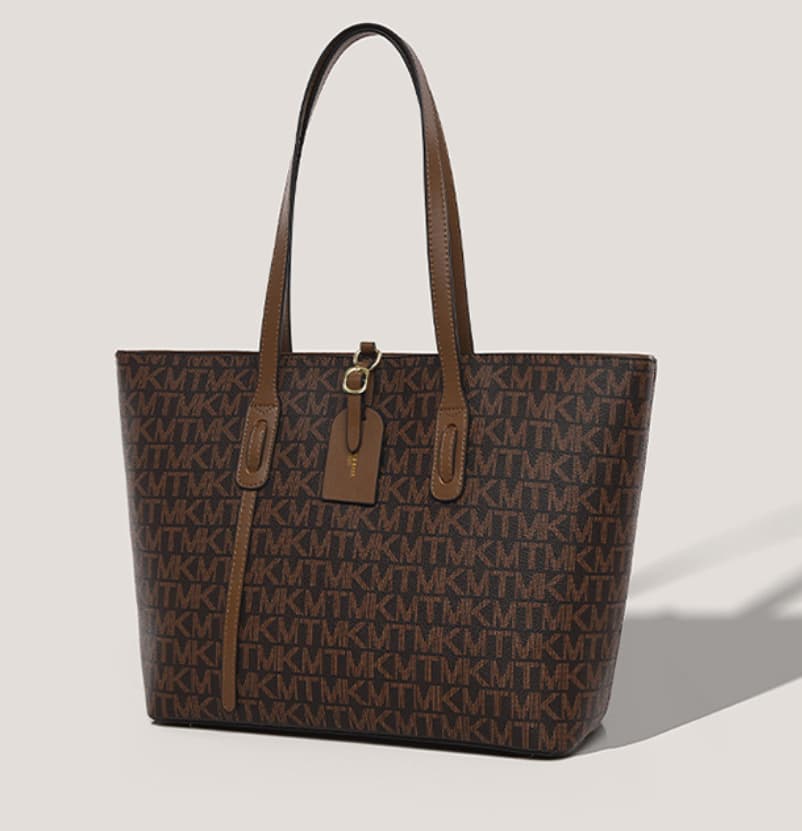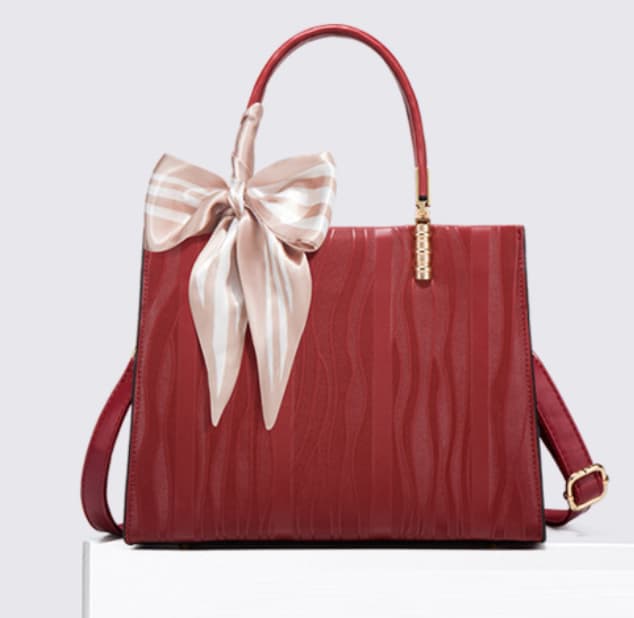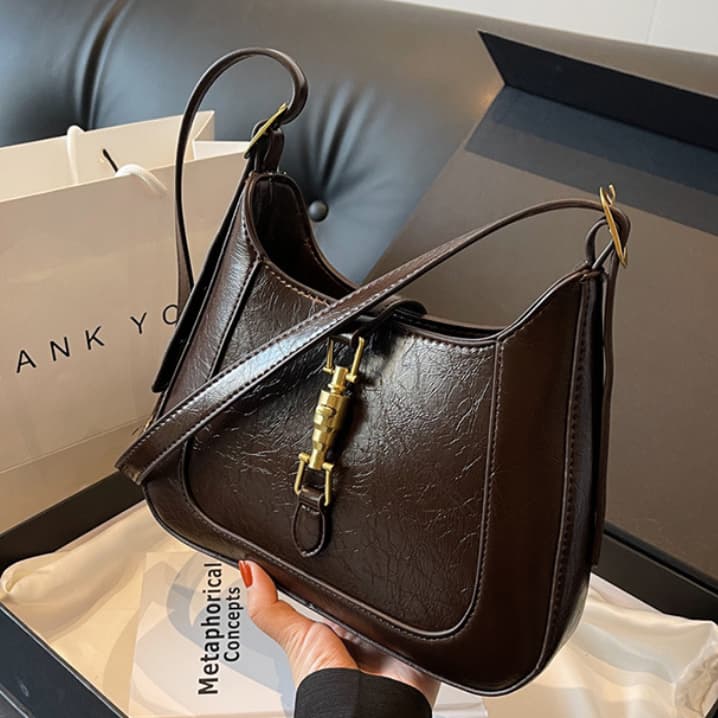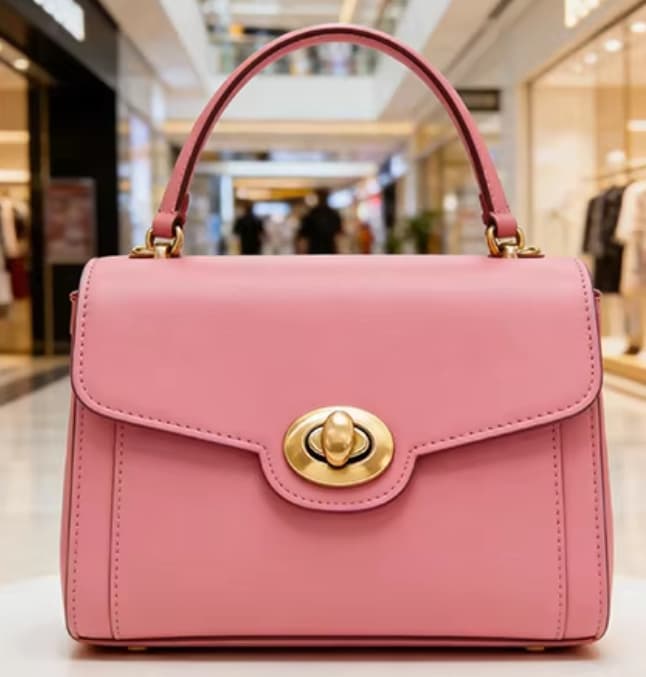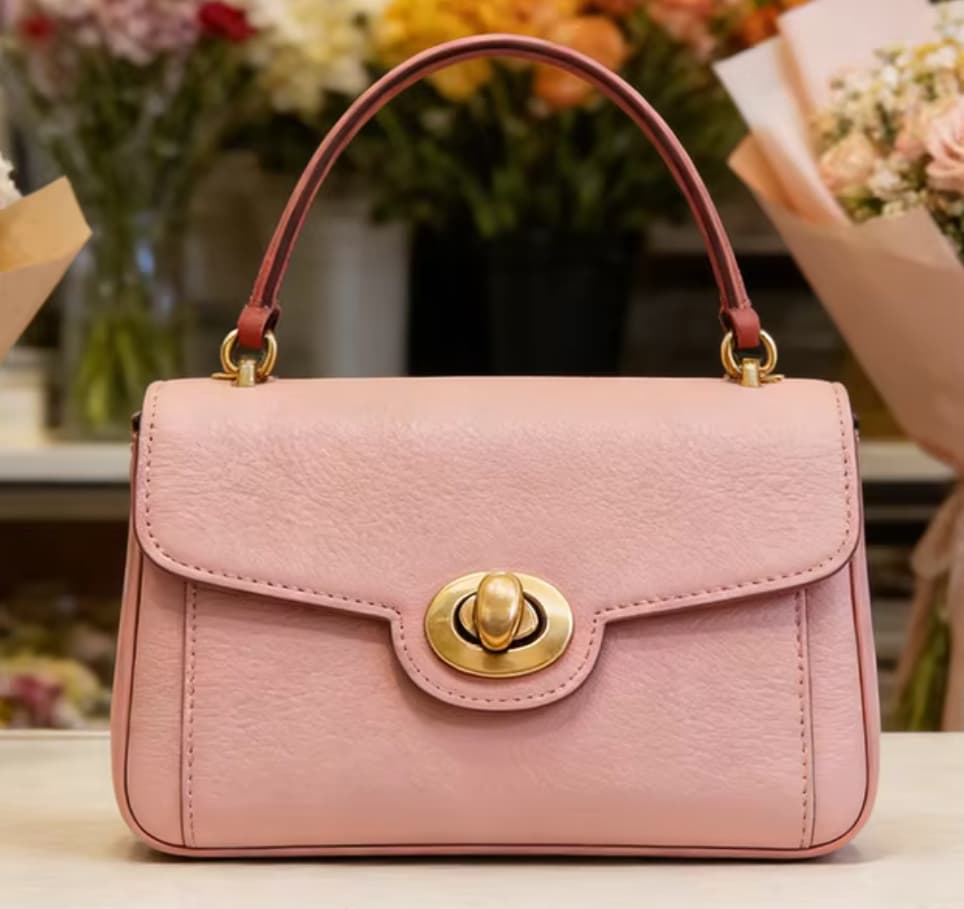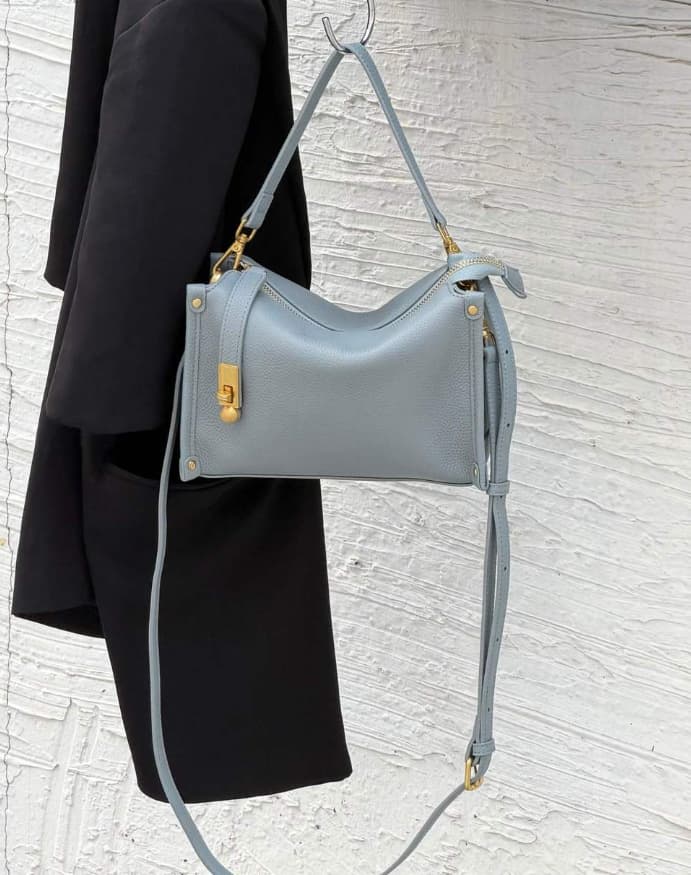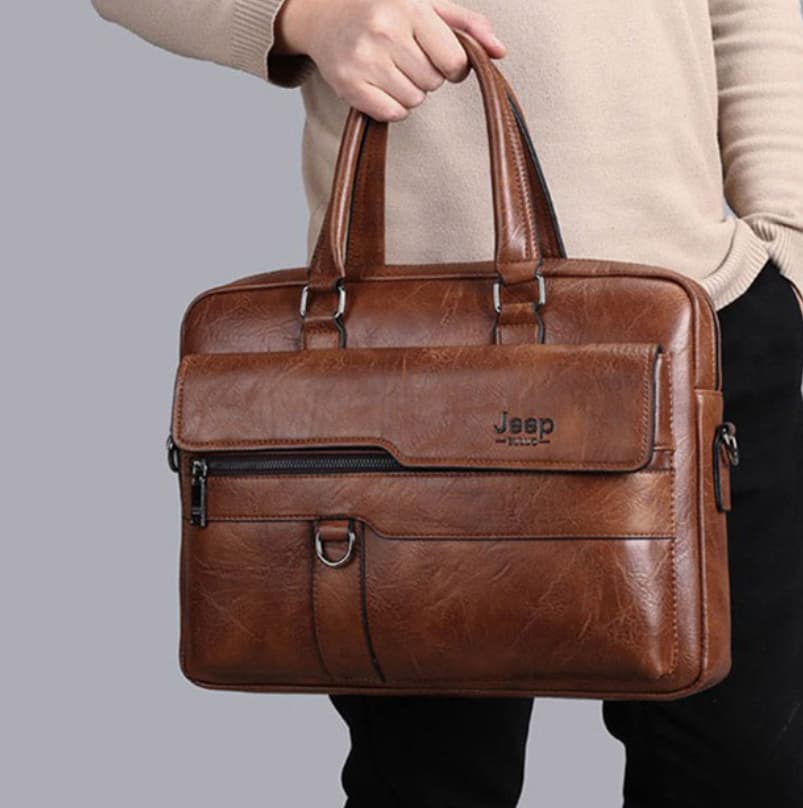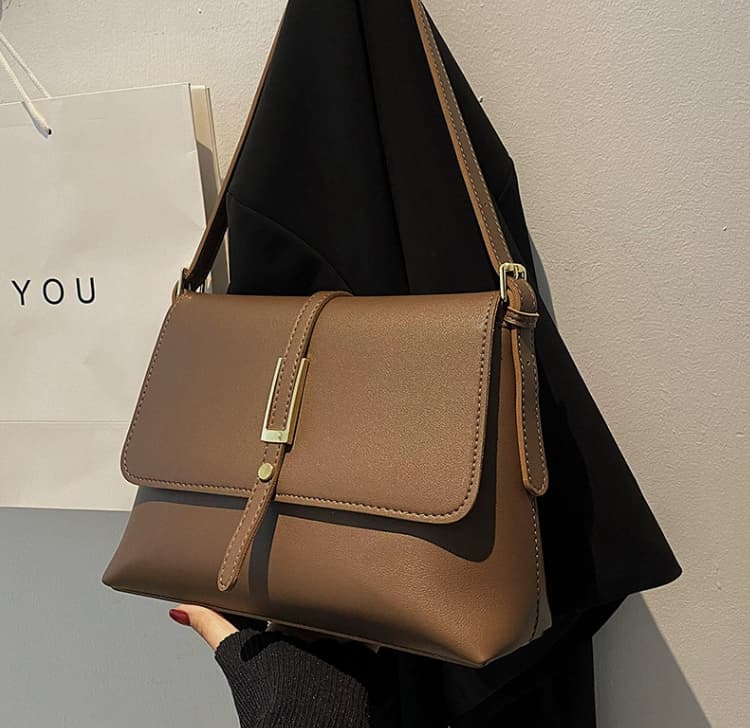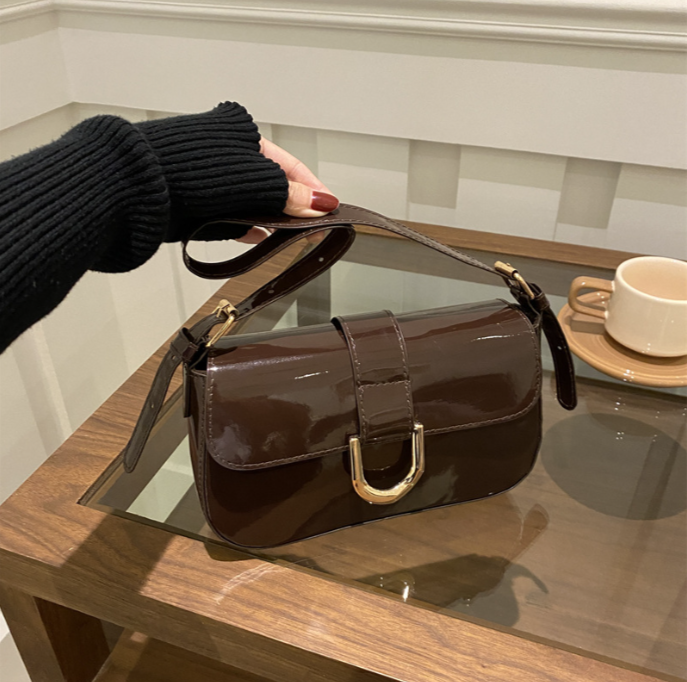
• Personalized Customization High Quality Bag Hardware/Metal Accessories For Brand

News

Key Points for Quality Control of Luggage Hardware Fittings and a Guide to Avoiding Pitfalls in B2B Procurement

2026-06-29

In the production and processing of luggage, leather goods, handbags, outdoor bags, pet carriers and similar products, metal fittings are the core components that determine the product’s texture, durability and brand prestige. Fittings such as D-rings, square buckles, dog clips, magnetic fasteners, latches, rivets, corner protectors and metal labels may appear small in size, yet they directly influence the opening and closing experience, load-bearing capacity, visual appeal and service life of the finished luggage. For procurement teams at luggage manufacturers, leather goods designers, branded luggage companies and international trade buyers, the consistent quality, compliance with manufacturing standards and dimensional accuracy of metal fittings are key considerations when making bulk purchases. Currently, the B2B market for luggage hardware procurement is rife with irregularities. Some small factories engage in practices such as adulterating materials, cutting corners in manufacturing processes, neglecting quality control, and failing to meet environmental standards. This leads to after-sales issues with branded luggage products, including discolouration, breakage, deformation, allergic reactions and failure to pass export inspections. These problems not only increase the factory’s rework costs but also damage the brand’s reputation and jeopardise the delivery of export orders. This article will provide B2B buyers with professional and practical guidance on selecting and procuring luggage hardware, covering aspects such as quality control systems at source factories, quality standards for core components, key points for material and process control, tips for avoiding pitfalls in bulk procurement, and quality control for custom moulding. It aims to help enterprises stabilise their supply chains and ensure the quality of finished products. An Analysis of Key Quality Challenges in B2B Procurement of Luggage and Bag Hardware Components We have drawn on our extensive B2B supply experience with luggage and bag hardware manufacturers, along with feedback from thousands of clients—leather goods factories, branded luggage companies and…

More

A Comprehensive Guide to Selecting Luggage Hardware: A Detailed Explanation of Materials, Manufacturing Processes, Compatibility and How to Avoid Pitfalls

2026-06-26

In the luggage, leather goods and handbag manufacturing industry, metal fittings form the core structural framework of the products and are key to their aesthetic appeal. Small metal components such as D-rings, square buckles, dog clips, latches, magnetic fasteners, rivets and corner protectors directly determine the durability, perceived quality and overall finish of luggage products. For procurement teams at luggage manufacturers, leather goods designers, branded luggage companies and international trade buyers, the selection of hardware components, material screening, quality control of manufacturing processes and coordination of customisation are crucial steps in ensuring product quality, controlling production costs and avoiding after-sales issues. The domestic luggage hardware market offers vast product variety, but manufacturers differ significantly in materials, finishes, production standards and environmental compliance. Buyers often face specification mismatches, fading, substandard hardness, failed environmental tests and customisation delays. Drawing on B2B production experience, this article covers six core sourcing areas—material selection, process differences, product compatibility, procurement pitfalls, customisation and trade standards—offering practical guidance for luggage makers, export plants and brand teams A Comparison of Materials Used in Mainstream Luggage Fittings: Meeting the Needs of Different Luggage Categories Base material choice drives the key quality differences among hardware fittings for luggage and leather goods. Different materials offer varying hardness, toughness, environmental friendliness, texture, and production costs, and each clearly suits different product applications. Our factory routinely manufactures components from four main material categories: zinc alloy, iron, brass, and eco-friendly alloys. These four are currently the industry’s mainstream materials for mid- to high-end luggage, exported leather goods, and branded luggage, so we can precisely match procurement choices to each product’s positioning. Zinc Alloy: A Versatile, Mainstream Base Material Manufacturers currently use zinc alloy more widely than any other material for luggage and bag hardware fittings, applying it to the vast majority of women’s handbags,…

More

A Guide to Avoiding Pitfalls in Luggage Hardware Procurement: Practical Advice for B2B Factories on Bulk Purchasing, Custom Orders and International Trade Orders

2026-06-24

Within the B2B supply chain for luggage and leather goods, metal fittings may appear to be minor ancillary components, yet they are crucial to determining the quality of finished products, after-sales service rates, brand reputation and customs clearance for international trade. Most luggage manufacturers, brand companies, international trade buyers and leather goods designers are highly susceptible to falling into various hidden pitfalls when purchasing in bulk, commissioning custom samples or sourcing metal fittings for international trade orders. Most small-scale suppliers on the market suffer from issues such as substituting materials, cutting corners on craftsmanship, producing colour variations between batches, creating dimensional deviations, failing to meet environmental standards, and lacking quality control. These issues directly cause a series of losses in finished luggage products, including paint peeling and rusting, faulty fittings, assembly rework, customs holds on goods, and customer returns and claims. At best, this results in increased labour costs for rework and delayed delivery times; at worst, it leads to significant losses such as the scrapping of entire orders, damage to brand reputation and customs penalties. Drawing on experience from source factories specialising in luggage hardware, this article covers the full range of leather goods hardware—including D-rings, square buckles, dog clips, latches, magnetic fasteners, rivets, corner protectors and logo hardware tags—and summarises the eight most common pitfalls encountered by B2B buyers. It breaks down the root causes of these issues, outlines methods for identification and provides mitigation strategies, all presented without exaggerated claims or hyperbolic language. The content closely aligns with real-world industry procurement scenarios and suits domestic bulk purchasing, high‑end bespoke leather goods, and export orders that require ROHS compliance. It serves as a valuable reference for procurement managers, leather goods designers and international trade representatives to bookmark and consult directly. The ‘material substitution’ trap: identical in appearance, vastly different…

More

An Introduction to Environmentally Friendly Electroplating Processes for Luggage Hardware: A Detailed Explanation of ROHS Compliance Standards for International Trade and the Differences in Processes

2026-06-22

When buyers procure luggage, leather goods and handbags for the export market through B2B channels, they regard the environmental compliance of metal fittings as a critical factor. This compliance determines if orders will pass customs smoothly, if brands will secure entry into overseas retail outlets, and if products will sustain long-term exports. Unlike conventional domestic procurement, which emphasises appearance and value for money, overseas buyers, foreign trade processing factories and cross-border luggage brands have strict standardised requirements regarding the environmental rating, plating processes and levels of hazardous substances in hardware components such as luggage clasps, dog clasps, D-rings, square clasps, magnetic clasps and labels. At present, the standard electroplating processes used by many domestic luggage hardware manufacturers fail to meet the market access standards of overseas markets such as the EU, South-East Asia and North America. Numerous buyers have faced issues such as the return of entire container loads, customs seizures and fines imposed on brands due to hardware components failing to meet environmental standards, resulting in significant financial losses. This article will provide a comprehensive overview of the core knowledge regarding environmentally friendly electroplating for luggage hardware, covering aspects such as mainstream electroplating processes, the key differences between environmentally friendly and non-environmentally friendly processes, ROHS compliance requirements for international trade, techniques for selecting the appropriate processes for different components, and key points to avoid pitfalls during procurement. It aims to serve as a professional guide for product selection and procurement for purchasing departments at luggage manufacturers, leather goods designers and international trade buyers. Classification of Mainstream Surface Finishing Techniques for Luggage Hardware (An Introduction to Standard Factory Processes) The surface treatment processes for luggage and leather goods hardware directly determine the product’s appearance, texture, corrosion resistance, service life and environmental compliance rating. As a manufacturer specialising in bespoke luggage…

More

Comparison of Materials for Luggage and Leather Goods Hardware: A Selection Guide for Zinc Alloy, Iron, Brass and Eco-Friendly Alloys

2026-06-20

In the production and processing of leather goods such as luggage, leather goods, handbags, outdoor bags and pet carriers, metal fittings are the core components that determine the product’s texture, durability, quality and compliance. Various types of luggage hardware—such as D-rings, square buckles, dog clips, magnetic fasteners, latches, eyelet rivets and metal tags—may appear small in size, yet they directly influence the service life, visual quality and export compliance rate of the finished luggage products. Many procurement officers at luggage and bag manufacturers, leather goods designers and international trade buyers often face uncertainty when selecting materials: even for the same model of metal fittings, there can be significant cost differences and distinct performance variations between different materials, and they are suited to different applications. Should the wrong choice be made, this can not only lead to quality issues such as colour fading, deformation and breakage, but may also result in an entire batch of products failing environmental testing, thereby delaying the delivery of international trade orders. This article provides a comprehensive, practical comparison of the four main materials used in the luggage hardware industry—zinc alloy, iron, brass and eco-friendly alloys—examining aspects such as material properties, suitability for manufacturing processes, durability, aesthetic appeal, applicable scenarios, environmental compliance and procurement costs. Drawing on the production experience of source manufacturers, it offers precise guidance on hardware selection for luggage brands, leather goods manufacturers and international trade buyers, helping them to avoid common pitfalls in the procurement process. Key Considerations for Selecting Materials for Luggage and Bag Fittings Before formally comparing different materials, procurement staff and designers need to clarify the key criteria for selecting luggage hardware, moving away from a procurement mindset that focuses solely on price. Instead, they should make comprehensive selections based on product positioning, usage scenarios and shipping standards; this…

More

Dog clip check list use in bag factory

2026-05-20

As a core hardware accessory of handbags, dog buckles directly affect the durability, safety, and overall quality of products, and are a key control item in incoming quality inspection. In order to standardize the testing process, control the quality of accessories, and avoid production losses, rework of finished products, or customer complaints caused by dog buckle quality problems, handbag factories need to establish a standardized and practical dog buckle quality testing system from six dimensions: Strictly follow the principle of fully inspecting key items before sampling performance items, and carry out testing work in an orderly manner to prevent unqualified products from flowing into the production line from the source. We are a manufactorer of metal hardware. you can use the check list same as us to check the quality for dog clip. Snap Hook (Dog Clip) Product Quick Reference Sheet 1. Model Quick Reference (5-Second Selection) Model Type Size Range Load Capacity Application MOQ DC-12 Mini Snap Hook 12-18mm 3-5kg Small wallets, clutches, kids’ bags 1,000 pcs DC-20 Standard Snap Hook 20-25mm 8-12kg Shoulder bags, totes, backpacks 1,000 pcs DC-30 Large Snap Hook 28-32mm 15-20kg Travel bags, diaper bags, tool bags 1,000 pcs DC-40+ Heavy Duty Snap Hook 35-50mm 25-40kg Hiking backpacks, large luggage, pet bags 500 pcs DC-R 360° Swivel Hook 20-40mm 10-30kg Anti-twist strap requirement 1,000 pcs DC-DL Double-Lock Safety Hook 20-35mm 15-25kg Kids’ bags, electronic device bags 1,000 pcs 2. Feature Tags (Check All That Apply) Category Options (multiple selection available) Opening Mechanism □ One-press release □ Silent operation □ Double-lock □ Self-locking □ Pinch-proof design Swivel Function □ 360° swivel □ Fixed Surface Finish □ Polished plating □ Matte plating □ Brushed/Satin □ Antique finish □ Rubber coated (scratch-proof) □ Two-tone plating Color □ Chrome □ Gunmetal □ Gold □ Black □ Nickel matte □…

More

How To Select The Right Chinese Metal Accessories Manufacturer For Fashion Brands: A Practical Guide For Production Managers

2025-11-11

In the luxury world of fashion and leather goods, all detail is important as it contributes to your perception of what you are ultimately purchasing. Of these, metal hardware so frequently seems an afterthought in product development – but it’s vital to synchronizing visual appeal with technical and mechanical performance over time. You are however as a Chinese metal accessories supplier for fashion brands, OYC Accessories realizes these points of detail mean these go beyond functional appendages. They are integral to design and brand identity — sometimes they’re even the very stuff of instant product recognition. The Strategic Value of Chinese Metal Accessories in High-End Fashion and Leather Goods In the world of luxury, every little thing is a kind of story. That custom hard-goods buckle, that bone-rod-polished metal zipper or the iconic handbag tag immediately communicates the brand’s aesthetic and attention to detail. The right metal hardware can elevate Aesthetic value—Whether an ornate buckle on a belt, a signature plaque on a handbag or textured buttons of a coat, hardware that is thoughtfully named and well-chosen reinforces brand vocabulary. Technical functionality—Apart from the look, metal elements on bags also demand top functionality: smooth opening and closing mechanisms, reliable closures, easy to use handles just to mention a few features that need to stand out both in terms of user-friendliness and durability. Visual and tactile experience —The touch and weight, the surface finish of metal parts reflect handcrafting life, values, sense of pride and quality In the case of leather goods — bags, belts, and shoes — metallic extras are frequently front and center on the design and therefore in the eye of prospective consumers. Key Factors to Consider When Selecting Metal Hardware The selection of the right hardware isn’t only in consideration of matching style — it has to take into account material, finish and usage as well as targeted…

More

The Triple Test of Luggage Metal Puller Quality

2025-11-11

In the overall design of luggage, the pull tab may be a small accessory, yet it plays a pivotal role. It not only directly executes the opening and closing functions but also serves as the first tactile point of contact between the user and the luggage. A pull tab that excels in texture and durability can instantly elevate the bag’s sophistication and user experience. Conversely, a poorly made pull tab may become the product’s Achilles’ heel, potentially causing unnecessary inconvenience during travel. Therefore, learning to discern the quality of pull tabs is essential when selecting a premium luggage piece. This article will focus on three core dimensions to provide an in-depth analysis of how to select high-quality zipper pulls for luggage. First Test: Surface Flatness—Flaws Reveal True Quality The first impression of a sheet metal part stems from its visual appearance and tactile feel. A high-quality sheet metal part must feature a smooth, flat surface—any minor flaw serves as direct evidence of substandard manufacturing processes or lax quality control. Bubbling Bubbling is common in pull tabs made by metal die casting or plastic injection molding. It occurs when raw material moisture and air is unable to be fully discharged from high-temperature, high-pressure forming process, causing bubbles in the material or at a surface thereof. Results5266 Surface Bubbling The surface bubbling has the net effects of minimizing its visual appeal, and therefore making the product look cheap, but more importantly lossening its structural integrity. The bubble’s position is a stress concentrator. After multiple flex or pull cycles, the part cracks is then this becomes the mode of failure for the tab. Hence, regardless of size, it should be categorized as an unacceptable critical defect. Scratches Scratches are linear damage caused by friction or scraping between the surface of the strip and other hard objects during production, assembly,…

More

A Comprehensive Guide to Scientifically Selecting Snap Hook Hardware for Genuine Leather Handbags

2025-11-03

For all the inherent merits of the ever-popular genuine leather handbags, which impress insignia of intricate grains, meats stimulating smell, and precious patina accumulated over time, the influence of its essential hardware details remains surprisingly significant. Despite the background presence behind the scenes, powerful enlighting unifying and consolidating the exorbitant passion of its integral details, a perfect-looking handbag is not executed only from the elegancy of its premium squeezing leather. Behind a glimpse of the shiny appearance, the unpretentious genesis of every connection-binding compose the SQLite in the essential Snap Hook, also called D-ring or lobster clasp. Although practically relatively small, this monumental junction brings a serious identity or ruin into the sum of style and qual measuring some sound and frankly -bearing difference influencing the comfortable use caseorts of presence This article simplifies the complex by delving into five core dimensions to provide an in-depth analysis of how to scientifically and precisely select the most suitable snap hook hardware for your genuine leather handbag creations, ensuring every opening and closing becomes a display of confidence and taste. Decisions Made in the Smallest Details—The Science and Aesthetics of Hardware Materials Material is the “DNA” of the Snap Hook, determining its fundamental physical properties, visual appeal, and perceived value. Different materials cater to distinct usage scenarios, cost budgets, and brand positioning. Zinc Alloy: The Optimal Balance Between Cost and Design Being used most commonly in the market and controlling the entire handbag hardware market now, zinc alloy is melted into its condition and then die-cast. The fact that zinc alloy has excellent malleability and, on which basis, it can be regarded as its most significant merit. Meanwhile, the mold can replicate even the most complex or exquisite embossed patterns with great accuracy and fidelity. The surface of it is highly flat,…

More
Whatsapp Whatsapp
Whatsapp
Call Call
+86-13924451472
Facebook Facebook
Facebook
Youtube Youtube
youtube
LinkedIn LinkedIn
LinkedIn