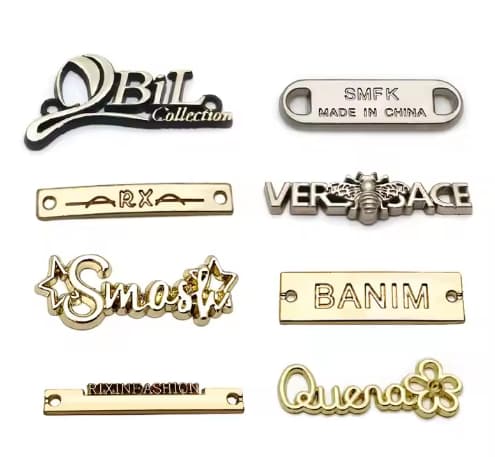
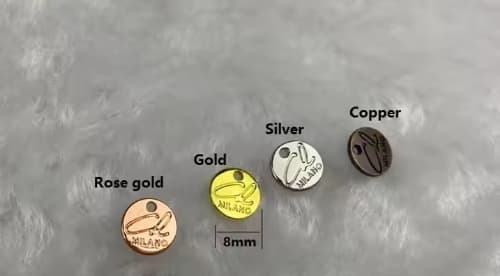
• Personalized Customization High Quality Bag Hardware/Metal Accessories For Brand

News

Spray Frame Thickness Requirements of Luggage Hardware

2025-05-09

There is no set standard for the thickness of the spray lacquer frame (electrophoretic coating) required for the Luggage hardware, but the following factors can be used as a First.Luggage hardware industry norm thickness range The thickness of the electrophoretic coating usually ranges from a few microns to several tens of microns, depending on the product requirements and the environment For applications requiring higher corrosion and wear resistance, the coating thickness may be on the thicker side, e.g. some industries may require 60 to 70 microns or even more. Second.Luggage hardware product-specific requirements If we use the metal logos for high-end decoration or in special environments , thicker coatings will require to provide better protection and decoration. Some application scenarios may specify coating thicknesses, such as the national specification GB/T 18593-2010, which specifies a spray thickness of 0.17 to 0.3 mm Third.process parameter control We can control the coating thickness by adjusting electrophoresis process parameters (such as. voltage, time, coating concentration and so on.). In practice, the process parameters need to adjuster by the material properties, surface condition and target performance. Fourth.Luggage hardware quality and performance balance Too thick a coating may affect logo fineness, while too thin a coating may not meet protection requirements. We recommend determining the optimum thickness range experimentally, considering appearance, durability, and processability.

More

Thickness of electrophoretic lattice frame with metal logo

2025-05-09

There is no set standard value for the thickness of the electrophoretic lath (usually referred to as the electrophoretic coating or electrophoretic paint layer) for Metal Logo as it depends on a number of factors including but not limited to the product requirements, the environment in which it is to be used, the parameters of the electrophoretic process, and the characteristics of the material. However, a discussion of possible thickness ranges can be made based on industry practices and the general characteristics of electrophoretic coatings. First.general range of electrophoretic coating thickness We can control the thickness of an electrophoretic coating by adjusting the electrophoretic process parameters. In industrial applications, the thickness of electrophoretic coatings can vary from a few microns to tens of microns. As for applications of requiring higher corrosion and abrasion resistance, the thickness of coating may be on the thicker side. Second.factors affecting the thickness of electrophoretic coatings Metal logo product requirements Different products require different the thickness of coating thicknesses..can provide better protection and decoration. Metal logo usage environment If we use the metal logo in outdoors or in harsh environments, need to require a thicker coating to resist corrosion and abrasion. Electrophoresis Process Parameters Parameters (such as voltage, time, and paint concentration) affect the thickness of the coating. By adjusting these parameters, can control the the thickness of the coating precisely. Material properties The material and surface condition of the substrate also affect the adhesion and thickness of the coating. For example, a substrate with a rough surface may require a thicker coating for complete coverage. . Third.metal logo recommendations and opinions For Metal Logos As they are usually used for decorative and signage purposes, therefore the thickness of coating should be sufficient to provide a good appearance and some protection, but not so thick…

More

Detection of embryos of engraved round metal logo-A

2025-05-06

For the inspection of “Engraved Round Metal Logo Embryo”, it is necessary to systematically evaluate the key dimensions such as dimensional accuracy, engraving quality, surface integrity, material properties and functionality, etc. The following are the specific inspection points and analysis: Metal logo dimensional and shape accuracy inspection Inspection content Whether key dimensions such as outer diameter, inner diameter (if any), thickness, etc. meet the design tolerance. Whether the roundness, flatness and other shape and positional tolerances meet the standards. Metal logo inspection method High-precision dimensional inspection using coordinate measuring machine (CMM) or optical image measuring machine. Verify roundness and surface profile by roundness meter or laser scanner. Importance Dimensional deviation may lead to subsequent assembly difficulties or affect the visual effect of the sign, which needs to be strictly controlled. Metal logo engraving quality inspection Inspection content The clarity, depth consistency and edge sharpness of the engraving pattern. Integrity of the text or pattern (no broken strokes, missing corners). The smoothness of the transition between the engraved area and the unengraved area. Inspection Method Visual inspection (in conjunction with a magnifying glass or microscope) to assess detail. Measure depth of engraving and surface roughness using a laser confocal microscope or white light interferometer. Importance The quality of engraving will affects the legibility and aesthetics of the logo, and needs to be confirmed to meet the design requirements. Surface Integrity Inspection Detection content Whether there are scratches, pits, oxidized layer and other defects on the surface. The bonding strength between the engraved area and the substrate (no skinning, peeling). Detection method Scanning for surface defects visually or with the help of automatic optical inspection (AOI) equipment. Verify the bonding strength of the engraved layer to the substrate by adhesion test (e.g. tape tear test). Importance Surface defects can degrade the product,…

More

Detection of embryos of engraved round metal logo-B

2025-05-06

Metal logo material and process compatibility testing Detection content Whether the material composition of the metal substrate (such as stainless steel, aluminum alloy) meets the requirements. Whether the engraving process (laser, chemical etching, and so on) causes heat affected zone or corrosion on the material. Metal logo detection method Verification of material composition using a spectrum analyzer. Observation of microstructural changes in the engraved area by metallurgical microscopy. Importance Mismatch between material and process may result in reduced durability or abnormal appearance of the sign. Functionality test (if applicable) Test content If the metal logo needs to have reflective, luminous or conductive function, its performance should be verified. Weathering test (salt spray, UV aging) to assess the long-term reliability of the sign. Metal logo testing method Functional verification using reflective tester or luminous intensity meter. Accelerated aging test by environmental simulation test chamber. Importance Functional signs need to ensure stability and reliability in the actual use environment. Metal logo testing standards and specifications Reference standard Dimension and Shape Tolerance: ISO 2768, GB/T 1804. Surface roughness: ISO 4287, GB/T 1031. Material analysis: ASTM E1086 (spectral analysis), GB/T 20125 (metal material analysis). Industry specifications Automotive, aerospace and other fields may need to follow more stringent corporate standards or customer-specific requirements. Summary The inspection of “Engraved Round Metal Logo” needs to include multiple dimensions such as dimensions, engraving quality, surface integrity, material properties and functionality and so on., combined with high-precision measuring equipment and environmental simulation tests to make sure that the product meets the design and use requirements. The inspection process should strictly follow the relevant standards and adjust the inspection focus according to the actual application scenarios.

More

Metal Hardware of electrophoretic paint and regular paint ‘s difference-B

2025-05-05

Fourth. Bag Hardware application scenarios and cost effectiveness Bag Hardware Electrophoretic paint Hardware application Scene Automobile, home appliance, metal hardware and other industries with high requirements on coating performance. Cost-effectiveness initial equipment investment is high, but the comprehensive cost (paint utilization, labor, maintenance) is lower than ordinary paint. Bag Hardware Ordinary Paint Applicable fields construction, furniture, general industrial products and other scenes that do not require high coating performance. Bag Hardware Cost-effectiveness low initial investment, but higher long-term running costs (paint waste, rework, environmental protection input). Fifth. comprehensive comparison summary Bag Hardware indicator Electrophoretic paint ordinary paint Process complexity High (requires electrophoresis equipment, automated control) Low (manual or simple equipment operation) Coating uniformity Excellent (uniform thickness, good edge coverage) Fair (greatly influenced by operation methods) Corrosion resistance Strong (dense coating, excellent protection) Weak (need primer or increased thickness) Environmentally friendly Excellent (waterborne coatings, low VOCs emissions) Poor (solventborne coatings, high VOCs emissions) Safety High (no risk of flammability or explosion) Low (requires strict management of storage and use environment) Applicable fields High-end manufacturing such as automobiles, home appliances, metal hardware, etc. Construction, furniture, general industrial products Cost-effectiveness Low long-term comprehensive cost Low initial investment, but high long-term operating cost

More

Different of electrophoretic paint and regular paint of hardware-A

2025-05-05

Hardware electrophoresis paint and ordinary paint in the process principle, coating effect, environmental performance, application scenarios, there are significant differences, the following is a specific analysis: First, the process principle and operation mode Electrophoretic paint Process principle based on electrophoretic coating technology, using electric field to make charged paint particles deposited on the surface of the workpiece to form a uniform coating. Operation mode the workpiece needs to be immersed in the electrophoresis tank liquid, and the automated coating is realized through DC electric field, which is complicated but controllable. Ordinary Paint Process Principle The paint is covered on the surface of the hardware by physical means such as spraying or brushing. Operation mode rely on manual or simple equipment to complete, low threshold for operation but easily affected by human factors. Second, the coating effect and performance differences Coating uniformity Electrophoretic paint the coating thickness is uniform, suitable for complex structure workpieces, good coverage of edges, gaps and other parts. Ordinary paint the operation methods will coating thickness is easily affected by , and the complex structure workpiece is prone to problems such as hanging and uneven thickness. Corrosion resistance Electrophoretic paint Dense coating, excellent resistance to salt spray and chemicals, suitable for harsh environments. Ordinary paint weak corrosion resistance, need to cooperate with primer or increase the thickness of coating to enhance the protective ability. Adhesion Electrophoretic paint strong adhesion to metal substrate, outstanding impact resistance and bending resistance. Ordinary paint adhesion is greatly affected by the treatment of substrate and construction conditions, and the surface cleanliness needs to be strictly controlled. Third.environmental protection and safety performance Electrophoretic paint Environmental protection water as solvent, low VOCs emission, in line with environmental regulations. Safety no flammable and explosive risk, safe and controllable production environment. Ordinary Paint Environmental protection solvent-based…

More

Brand tag mould opening for Luggage-B

2025-04-30

Fourth, production process monitoring Brand tag mould Process control Follow customer-approved designs and processes to ensure each brand tag meets quality standards. First piece inspection Before mass production, the first piece of product is fully inspected to ensure that the size, position and printing effect of the Brand tag meets the design requirements. Process inspection In the production process, regular sampling of products, timely detection and correction of possible problems. Fifth.finished product inspection and confirmation Brand tag mould appearance Inspection Appearance inspection of the finished brand tag to make sure that the Brand tag is not damaged, stained, misplaced and other questions. Size Measurement Use professional tools to measure the size of the Brand tag to ensure that it meets the design requirements. Information checking Check whether the text, pattern and other information on the Brand tag is consistent with the customer’s requirements to avoid errors or omissions. Client Confirmation Submit the finished product sample to the client for final approved. If necessary, make necessary adjustments or replenishment according to customer feedback. . Sixth, the establishment of feedback mechanisms and continuous improvement Customer Feedback After product delivery, take the initiative to collect customer feedback on Brand tag to understand customer satisfaction with the product and suggestions for improvement. Continuous Improvement Based on customer feedback and internal inspection results, make continuous improvement on the design, material and process of Brand tag to improve product quality and customer satisfaction.

More

Brand tag mould opening for Luggage-A

2025-04-30

During the molding process, determining that the Brand tag is consistent with the customer’s requirements is a critical part of ensuring product quality and meeting the customer’s needs. The following is a detailed description of how to determine the Brand tag and customer requirements from a variety of aspects of the method: First. define customer requirements and specifications Detailed communication in-depth communication with the customer to understand the specific requirements of the Brand tag, including size, material, color, font, pattern, location and any special process (such as hot stamping, embossing, UV printing and so on). Written confirmation Organize the customer’s requirements into a written document, and ask the customer to sign to confirm, as the basis for subsequent production and inspection. Second, design review and confirmation Brand tag mould preliminary design According to customer requirements, the design department should produce a preliminary design of Brand tag, including graphics, text and color and other elements. Customer review Submit the preliminary design to the customer for review to ensure that the design meets their brand image and style requirements. If necessary, revisions are made based on client feedback. Brand tag mould final Confirmation After several times of communication and modification, obtain the client’s final confirmation of the Brand tag design. Third.material selection and confirmation Material Matching Choose the right material according to customer’s requirements, such as paper, plastic, metal, etc., and make sure the quality, thickness, gloss and other characteristics of the material meet the design requirements. Brand tag mould sample Confirmation Before formal production, make Brand tag samples and submit them to customers for confirmation. Customers should check the material, color and printing effect of the samples.

More

Make the brand tag color meet the customer’s requirements-B

2025-04-29

Third. Brand tag quality control Establishment of color management system Formulate color management processes and standards, and clarify the methods, equipment and frequency of color testing. Provide professional training for testing personnel to ensure that they are familiar with color testing equipment and processes. Regularly calibrate equipment Regularly calibrate and maintain testing equipment to ensure the accuracy of measurement results. Record calibration results and maintenance for traceability and inquiry. Implement first article inspection and process inspection At the beginning of production, the first batch of labels are color tested to ensure compliance with customer requirements. During the production process, take brand tag samples regularly for color testing to detect and correct color deviations in time. Fourth.Brand tag color problem solving Analyze the cause When the brand tag color is found inconsistent with customer requirements, the first need to analyze the reasons. Possible reasons include ink quality problems, improperly set parameters of the printing process, environmental factors (such as temperature, humidity) impact. Take measures According to the analysis results, take appropriate measures to correct. For example, replace the ink, adjust the printing process parameters, improve the production environment, etc. Verification of Effectiveness After taking measures, conduct color testing on the label again to verify whether the effect meets the customer’s requirements. If there are still problems, it is necessary to continue to analyze the causes and take further measures. Seventh. Brand tag color precautions (1) brand tag color regular calibration of testing equipment Testing equipment such as spectrophotometers and colorimeters may have accuracy deviations during use, so they need to be calibrated regularly to ensure the accuracy of the measurement results. It is generally recommended to calibrate the equipment once every 3 – 6 months. (2) Personnel training Color inspection work requires operators to have certain professional knowledge and skills, including…

More
Whatsapp Whatsapp
Whatsapp
Call Call
+86-13924451472
Facebook Facebook
Facebook
Youtube Youtube
youtube
LinkedIn LinkedIn
LinkedIn