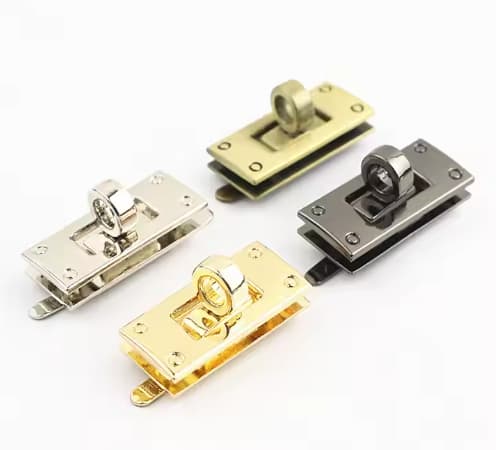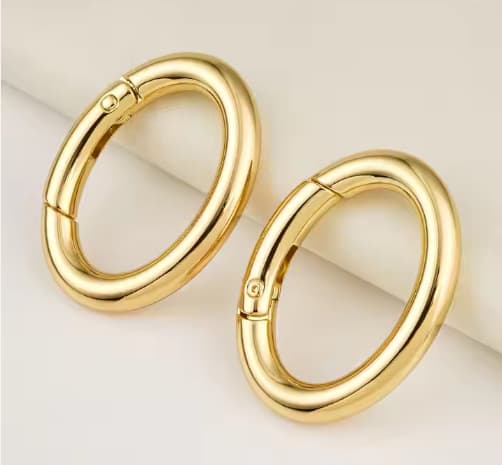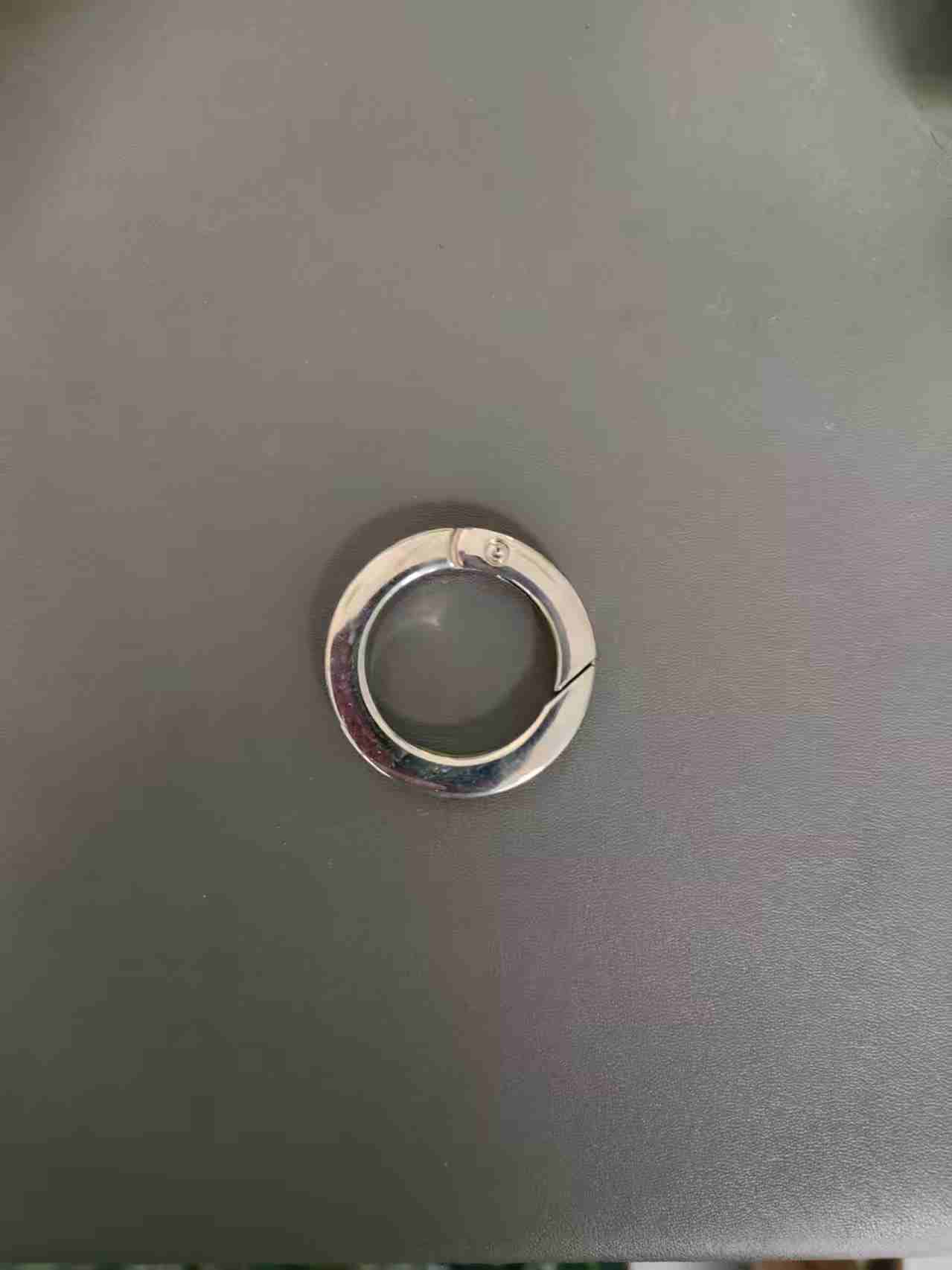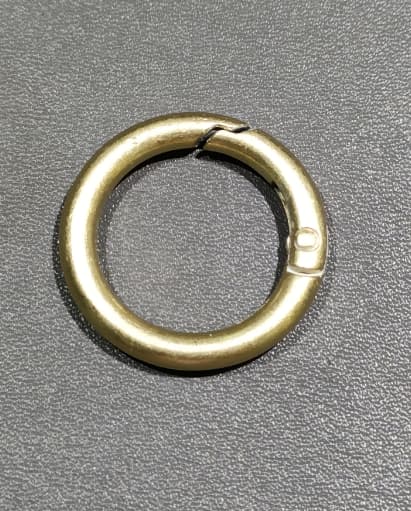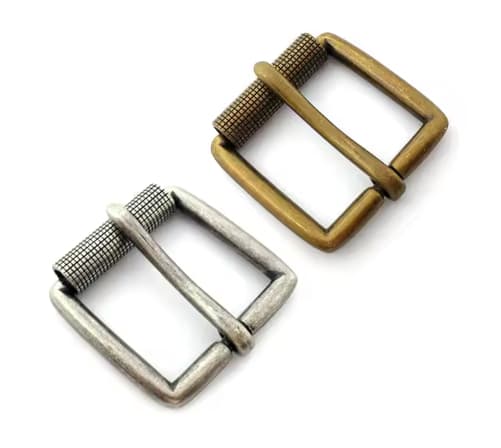
• Personalized Customization High Quality Bag Hardware/Metal Accessories For Brand

News

How to check for paint loss on the engraved round metal logo?-B

2025-05-19

Third. chemical detection method (if applicable)Solvent wipe method:If the paint layer of the metal Logo is sensitive to a specific solvent, we can use the solvent for the wipe test.Use a cotton swab with a small amount of solvent and gently wipe a small area of the Logo surface.Observe the wiping area for paint loss or dissolution of the paint layer. But note that this method may cause some damage to the Logo, should be carfully when using Fourth, professional equipment testing methodPaint thickness gauge:Use the paint thickness gauge to measure the thickness of the paint layer on the surface of the metal Logo.Comparing with the thickness of the paint layer in different areas, you can konw whether there is a phenomenon of paint loss. Colour difference meter:For metal logos with strict colour requirements, you can use a colour difference meter to measure the difference between the surface colour and a standard colour sample..If the colour difference exceeds a certain range, it may mean that there is damage or paint loss in the paint layer.Fifth. comprehensive assessmentCombine the results of the above inspection methods to make a comprehensive assessment of the paint loss of metal logos.Considering the use environment, importance and customer requirements, etc., determine whether repair or replacement measures are needed. Summary Paint loss on metal logo is usually caused by poor coating adhesion, environmental exposure or improper surface preparation, which reduces aesthetics, brand clarity and product life. Preventive measures include improved plating techniques, the use of corrosion-resistant coatings, or advanced treatments such as electrophoresis or ultraviolet curing.

More

How to check for paint loss on the metal brand?-A

2025-05-19

Detecting whether thepaint loss on the metal logo needs to be combined with its application scenarios and detection targets, using targeted methods. Here are some professional and practical detection methods and steps: First, the visual detection method Paint loss observe the appearance Use natural light or uniform artificial light source to observe the surface of metal Logo from different angles. Pay special attention to the edges, corners and details of the Logo, which are more prone to paint loss. Check the surface of the Logo for uneven colour, changes in gloss or obvious signs of paint flaking. Use a magnifying glass or microscope For minor paint loss or paint damage, use a magnifying glass or microscope for a more detailed look. This helps to detect early or hidden paint loss problems and improves the accuracy of detection. Second, physical detection method Paint loss touch detection Gently touch the surface of the metal brand with your finger to feel its smoothness and consistency. If you find a roughness or unevenness in the local area, it may be a sign of paint loss. Tape Test Method Use a piece of moderately sticky tape and gently apply it to the surface of the metal brand Make sure the tape is in full contact with the logo surface and then quickly remove it. Look at the tape to see if any paint chips have come off, indicating paint loss on the logo

More

How to passes 24 hour corrosion Non-toxic of metal logo-B

2025-05-18

Second.non-toxicity testing 24 hour corrosion Non-toxic-Toxicity testing Method: We immerse the metal logo in a liquid that simulates the environment in which they will be used (e.g., water, food simulation liquid) for 24 hours, and extract the immersion solution for toxicity analysis. Tools:We use the Atomic Absorption Spectrometer, and Gas Chromatograph, etc. to detect detect the dissolved amount of heavy metals like lead, cadmium, and mercury, as well as other toxic substances Criteria: Comply with the requirements of heavy metal dissolution limits in relevant regulations (e.g. EU RoHS Directive, US FDA standards). Biological toxicity test (optional) Method: Use the soaking solution in cell culture or animal experiments to observe the biotoxicity reaction. Assessment: No cytotoxicity or animal toxicity reaction, indicating that the material is non-toxic. Third.24 hour corrosion Non-toxic combined assessment Under 24-hour corrosion conditions,Corrosion testing combined with non-toxicity testing to ensure that the metal marking has good corrosion resistance and meets the non-toxicity requirements We need to strictly controll the test conditions such as temperature, humidity, media concentration and so on to ensure the accuracy and reproducibility of the results. Data recording and analysis: Record all kinds of phenomena and data in the test process in detail and analyse them scientifically to assess the corrosion resistance and non-toxicity performance of the metal logo. Fourth.24 hour corrosion Non-toxic Summary Quality assurance After strictlt testing,It indicates that the metal logo have good anti-corrosion performance, which can reduce the damage, deformation, rust and other problems caused by corrosion and prolong the service life. For example, hardware fittings will face the erosion of water, oxygen, carbon dioxide, salt and other corrosive media in the process of use, and the test can guarantee its corrosion resistance and ensure the stability of product quality. Enhancement of trust By passing the test,Consumers will incease more trust…

More

How to passes 24 hour corrosion Non-toxic of metal tag logo-A

2025-05-18

Whether an ‘Metal Logo’ passes the 24-hour corrosion test non-toxic ,is usually assessed by a combination of chemical immersion testing, salt spray testing, electrochemical testing and toxicity testing, as described below: First.24 hour corrosion Non-toxic-corrosion test 1.Chemical Immersion Test Method The engraved circular metal marking is made into a test piece and immersed in a specific corrosive medium (such as acid, alkali, salt solution) for 24 hours. Assessment Evaluate the degree of corrosion of the metal tag logo by weighing, apparent inspection (Fox example number, size and depth of corrosion spots), and measuring the depth of etching holes. Criteria The lighter the degree of corrosion, the better the corrosion resistance. 2.24 hour corrosion Non-toxic-salt spray test of metal tag logo Method In a salt spray box, spray saturated brine solution in mist on the surface of the metal tag logo, simulating marine or high salt environment for 24 hours. Assessment Check the degree of corrosion on the surface of the metal logo, such as blistering, rusting and peeling off Standard According to ASTM B117 or ISO 9227, the higher the rating, the better the corrosion resistance. 3.Electrochemical test of metal tag logo Method Evaluate the corrosion resistance of a metal marking by measuring the change in potential and the change in current under a specific electrochemical environment. Tools Polarisation curve measurement or electrochemical impedance spectroscopy using an electrochemical workstation. Assessment the corrosion current is smaller and the polarisation resistance will be higher, the corrosion resistance.will be better

More

Temperature of the electrophoretic lattice frame of the metal logo

2025-05-17

In the electrophoresis process of ‘ Metal Logo’, the temperature involved is mainly divided into two parts: the temperature of the electrophoresis paint and the drying temperature, and the coating of the electrophoretic lattice frame is usually carried out in the post-electrophoresis stage, which is analysed below: 1.Electrophoretic paint temperature General range We can controll the temperature of electrophoretic paint at between 20~30℃. This temperature range helps to ensure the quality and performance of the electrophoretic paint film. Special case Suppose that workpieces with internal cavities such as passenger cars or cabins of construction machinery with complex structures,we should controll the temperature of the electrophoretic paint liquid at between 30~34℃ to ensure the electrophoretic effect. Electrophoretic lattice frame temperature control During high- temperature or continuous production, the temperature of the lacquer will rise obviously, Therefore, need to cool the lacquer by circulating underground water cooling, cooling tower cooling or forced cooling by freezer. In the cold climate of winter, it is necessary to warm up the heating, such as the use of heat exchangers and other equipment. 2.electrophoretic lattice frame drying temperature General range After electrophoresis ,the drying temperature is usually between 160 and 180°C, and the drying time is 30 to 60 minutes. “We ensure full curing of the electrophoretic paint film and the formation of a hard, corrosion-resistant protective layer by maintaining this temperature range and time setting. Electrophoretic lattice frame specific adjustments The type of electrophoresis paint and workpiece requirements determine the need to adjust drying temperature and time accordingly. For example, need to dry some electrophoresis paints at higher temperatures or for longer periods of time.

More

Temperature of engraved round metal logo spray lattice oil

2025-05-17

When ‘Engraved Round Metal Logo’ is sprayed with Lattice Oil (a coating commonly used for metal finishing), the drying temperature is usually between 100°C and 145°C and the drying time is usually between 10 and 20 minutes. First. Spray lattice oilkey factors analysed Coating type and formulation The formulation and type of lacquer will affect its cure temperature and time. Different supplier may provide products with different characteristics, so please refer to the coating’s Technical Data Sheet (TDS) for specific parameters. Metal substrate The type of metal (For example. iron, aluminium, stainless steel and so on .) and the state of surface preparation (For example. sandblasted, polished and so on ) will affect the adhesion and curing of the coating. Some metals may require higher temperatures or longer curing times. Coating thickness The thickness of the coating affects the curing time and temperature. Thicker coatings may requiring higher temperatures or longer curing times Spray lattice oil curing method The method of curing (For example, hot air circulation, infrared heating and so on) also affects curing temperature and time. Different curing equipment may have different heating efficiencies and temperature distributions. Second,Spray lattice oil practical advice Consult the coating technical data sheet Always consult the technical data sheet supplied by the coating manufacturer for accurate curing temperature and time recommendations before applying Lakeland oil. Spray lattice oil conduct small sample tests Before prodcut the bulk, it is suggestted that small sample tests are carried out to determine optimum curing conditions. This helps to ensure that the quality and performance of the coating meets expectations. Control the curing environment Make sure that the temperature of the curing environment (Such as oven, curing furnace, and so on) is uniform and stable. Avoid excessive temperature fluctuations to affect the cure of the coating. Monitor the…

More

After plating of metal logo of physical properties of spray oil-A

2025-05-16

Physical property analysis of Metal Logo after plating and spray oil Metal logo Post-plating oil spraying is a common surface treatment process, mainly used to enhance the corrosion resistance, wear resistance, appearance and texture of metal logos and extend their service life. The following are the main effects and analyses of post plating oil spraying on physical properties: Metal logo spray oil enhancement of corrosion resistance The role of the plating layer the plating layer (for example nickel, chromium, zinc and so on .) itself has a certain degree of corrosion resistance, but there may be microporous or defective. Metal logo of the protective effect of oil spraying oil spraying layer (such as epoxy resin, polyurethane and so on.) can fill the microporous plating layer, forming a dense protective film, effectively preventing the intrusion of moisture, oxygen and corrosive media, significantly improving the corrosion resistance. Application Scenario of spray oil Suitable for metal logos in outdoor or humid environments, for example automotive signs, outdoor equipment and so on. Spray oil enhancement of corrosion resistance Metal logo of hardness of plating layer The plating layer (e.g. hard chrome) itself has high hardness, but may be brittle. Cushioning effect of spray oil The oil spraying layer can provide some cushioning to reduce the direct abrasion of hard particles on the plating layer and prolong the service life. Application Scenario Suitable for metal logos that require frequent contact or friction, such as signage for mechanical equipment. Appearance texture improvement of spray oil Metal logo lustre of plating The plating layer can provide a metallic lustre, but it may be more single. Metal logo decorative nature The spray oil layer can provide a variety of colours and textures (for example matte, high-gloss, frosted and so on) to enhance the visual effect. Application Scenario Suitable…

More

Physical properties of spray oil after plating of metal logo-B

2025-05-16

Physical properties of spray oil after plating Weathering and UV resistance properties Stability of oil spraying Certain oil spraying materials have good weathering and UV resistance properties, it can prevent the plating layer from discolouration or deterioration under long-term exposure to sunlight. Spray oil application scenario Used for metal logos for outdoor , for example building signs and billboards. Adhesion and bonding strength Combination of plating layer and oil spraying layer the adhesion between plating layer and oil spraying layer is the key. If the surface of plating layer is not properly treated (for example. presence of oil, oxidised layer and so on.), it may lead to the peeling off of the oil sprayed layer. Improvement measures Before oil spraying, the plating layer needs to cleane thoroughly and treat thesurface (for example polished, activated and so on.) to improve adhesion. Flexibility and Impact Resistance Flexibility of oil spraying Some oil spraying materials have good flexibility, it can absorb a certain amount of impact and prevent the plating layer from cracking or peeling. Application Scenario It is suitable for metal logos that may be subject to impact, such as sports equipment and tools. Chemical resistance Chemical stability of spray oil The spray oil layer can provide additional chemical protection and prevent the plating layer to attack by chemicals such as acids, alkalis and salts. Application Scenario It is suitable for metal logos that may come into contact with chemical substances, such as laboratory equipment, chemical equipment and so on. Summary and Recommendations Comprehensive performance enhancement oil spraying after plating can significantly enhance the corrosion resistance, wear resistance, appearance texture and weather resistance of metal logos, and is a recommended surface treatment process. Spray oil material selection Select the appropriate plating and oil spraying materials according to the specific application scenarios. Such…

More

Physical properties of electrophoretic racks of metal logo-B

2025-05-15

Electrophoretic racks temperature resistance and weather resistance Performance of electrophoretic layer Metal logo performance of electrophoretic layer: The ranges of temperature resistance is from -40℃ to 150℃, and short-term temperature resistance can reach 200℃, it is suitable for extreme environment. Synergistic effect of the frame Weather-resistant frame can resist the changes of UV rays, ozone, temperature and humidity, and slow down the aging of the coating, making sure that the Logo maintains the consistency of appearance for a long time. Electrical properties (if applicable) Insulation The electrophoretic coating is an insulating material with volume resistivity usually ≥10¹² Ω-cm, which is suitable for the electrical isolation needs of electronic equipment Logo.Influence of lattice frame: Transparent lattice frames do not change the insulating properties while providing mechanical protection. electrophoretic racks environmental protection and safety Advantage of electrophoresis process Water-based electrophoresis coatings have low VOC emission and comply with RoHS and other environmental standards, which is suitable for consumer electronics and other areas with high environmental requirements. Choice of cradle To further minimize the release of harmful substances, we recommended that you use an environmentally friendly cradle, such as a UV curing cradle Technical Recommendations Electrophoretic racks coating thickness control In order to balance the performance and cost, The recommended that the thickness of the electrophoretic layer is 15-25 μm, and the recommended that thickness of the lattice frame is 5-10μm, Curing process The curing of electrophoresis should at 180-200°C for 20-30 minutes, and lattice frame can UV cure or heat cure(150°C/30 minutes), depending on the type of coating. Electrophoretic racks test verification Salt spray test (≥500 hours), artificial accelerated ageing (QUV ≥1000 hours) and adhesion test are recommended to verify the performance. Physical properties of electrophoretic racks Summary Although temperature resistance and weather resistance of metal logo’ achieves high corrosion resistance, abrasion…

More
Whatsapp Whatsapp
Whatsapp
Call Call
+86-13924451472
Facebook Facebook
Facebook
Youtube Youtube
youtube
LinkedIn LinkedIn
LinkedIn