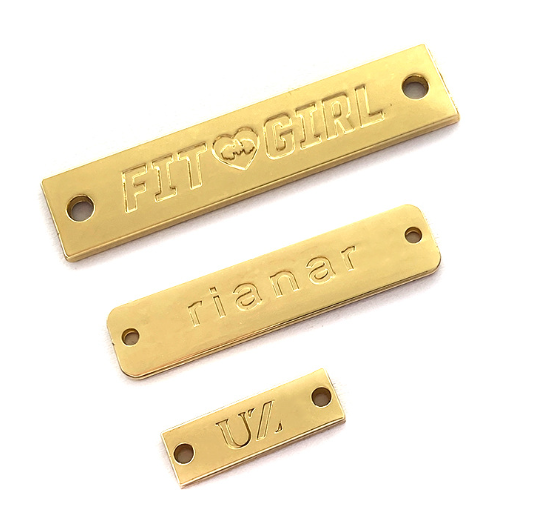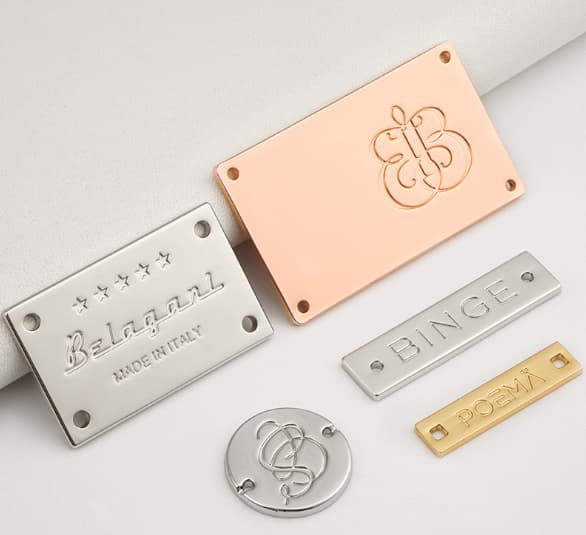
• Personalized Customization High Quality Bag Hardware/Metal Accessories For Brand

News

Handbag logo of difference between electrophoresis lattice frame and oil spraying

2025-04-21

Fourth. Handbag logo cost and efficiency comparison Equipment investment Electrophoresis lattice of handbag logo: need to build electrophoresis tanks, rectifiers, ultrafiltration systems, etc., the initial investment is higher. Oil spraying: the cost of equipment is lower, spray gun, air compressor and other equipment are easy to configure. Production efficiency Electrophoresis rack: high degree of automation, suitable for continuous production of large quantity, long cycle of color change. Oil spraying: manual or semi-automatic operation, flexible in single piece production, but less efficient than electrophoresis. Handbag logo comprehensive cost Electrophoresis rack: lower cost per unit area (about 1.5-3 RMB/m2), but need to consider the cost of waste water treatment. Oil spraying: higher cost per unit area (about 2-5 RMB/㎡), but no waste water treatment cost. Fifth. summarize and selection suggestions Electrophoresis lath is suitable for metal workpieces with high requirements for corrosion resistance and coating uniformity, especially suitable for mass production of complex structural parts. Oil spraying is suitable for workpieces with high decorative requirements and simple structure, such as wood and plastic products, etc. Cost-sensitive projects are better. The actual selection should take into account the workpiece material, performance requirements, production scale and environmental regulations.

More

Plating Classroom: Basic Characteristics of Roll Plating-A

2021-06-15

Roller plating is done in a drum The biggest difference between roller plating and small parts hanging plating is the use of a drum, which is a holding device that carries the small parts to be plated as they tumble continuously. A typical drum is a six-pronged column placed horizontally in a horizontal position. One side of the platen wall is open, and a quantity of small parts are loaded into the platen through the opening, and the opening is closed with a platen door. The wall plate of the drum is covered with many small holes, plating parts and the anode between the current conduction, inside and outside the barrel of the solution update and exhaust gas discharge, etc. need to pass through these small holes. The cathodic conductive device in the drum through the copper wire or rod from the drum on both sides of the center of the shaft holes through, and then fixed in the drum on the left and right wall panels of the conductive feet. Parts in the drum by its own gravity and cathodic conductive device natural connection. Roller plating of small parts is carried out in such a device. Cylinder structure, size, size, speed, conductive way and aperture rate and many other factors are related to the productivity of roll plating, plating quality and so on. Therefore, the drum is one of the focuses of the whole research of barrel plating technology. Roll plating is a small part in the process of non-stop tumbling Roll plating, small parts in the drum is not static, but with the rotation of the drum constantly tumbling. This tumbling is specific to a part of the situation is: a moment was buried into the whole pile of parts inside, a moment and then rolled to the…

More

Plating Classroom: Basic Characteristics of Roll Plating-B

2021-06-15

So, why is it important to keep the small parts tumbling in the drum? (1) To ensure that each part can be evenly plated. Small parts in the drum is stacked together, which part of the parts are distributed in the stack of the body of the interior, known as the inner layer of parts; the other part of the parts are distributed in the stack of the body of the outer surface, known as the surface layer of parts (as shown in Figure 1). When tumbling plating, the main metal ions actually only in the surface parts of the surface layer of the reduction of the formation of metal plating, and the inner layer of parts due to the shielding of the surface layer of parts, blocking and other effects of the only current through, but almost no electrochemical reaction occurs. Therefore, in order to have a chance to be plated, it is necessary for the inner parts to be turned out from the inside of the stack to become the surface parts. The surface layer parts cannot stay for a long time, and after plating for a while, they are turned into the inner layer parts by the rotation of the drum. In this way, the small parts can only be rolled over continuously to promote the inner parts and surface parts to change and transform, and ultimately ensure that each part has the opportunity to be plated uniformly. (2) Avoid “blackening” or “scorching” of surface parts. If small parts are not tumbled inside the drum and are in a stationary state, the use of a small current density may result in a lack of metal ions in the vicinity of the surface parts and produce the phenomenon of “scorching”. Especially close to the drum wall plate of…

More

Common quality problems and solutions in electroplating processing-A

2021-06-15

Metal fitting and metal buckle In electroplating processing, the four major problems of rough coating, poor adhesion, uneven thickness, and pinholes directly affect product quality. By precisely controlling the current density, strengthening pre plating treatment, optimizing the installation layout, and regularly purifying the plating solution, impurity adsorption and bubble interference can be eliminated, allowing metal ions to deposit uniformly and creating a smooth, dense, and highly adhesive perfect coating.In the field of modern industrial manufacturing, electroplating processing, as an important surface treatment technology, is widely used in many industries. However, in the actual electroplating production process, there are often quality issues that not only affect the appearance of the product, but may also have adverse effects on its performance and service life. This article will explore in detail the common quality problems in electroplating processing and their corresponding solutions. 1、 Rough coating Rough coating is one of the common problems in electroplating processing. The main reasons for its occurrence are as follows: firstly, there are too many impurities in the electroplating solution, which will be mixed in the coating during the electroplating process, resulting in uneven surface of the coating; Secondly, excessive current density can also cause the coating to become rough, and high current can lead to rapid deposition of metal ions on the cathode, forming rough crystals; In addition, improper pre-treatment, such as incomplete removal of oil stains, rust, etc. on the surface of the workpiece, can affect the adhesion and flatness of the coating.The methods to solve the problem of rough coating include: regularly filtering and purifying the plating solution to remove impurities; Reasonably control the current density and adjust the appropriate current parameters according to different plating types and workpiece requirements; Strengthen pre plating treatment, adopt appropriate cleaning methods and processes to ensure that the surface…

More

Common quality problems and solutions in electroplating processing-B

2021-06-15

3、 Uneven coating thickness Uneven coating thickness can result in inconsistent performance and appearance of the product, affecting its quality. This is mainly due to the unreasonable distribution of the position of the workpiece in the electroplating tank, resulting in uneven current distribution in different parts; In addition, improper anode layout can also cause differences in coating thickness.To solve the problem of uneven coating thickness, it is necessary to optimize the mounting method of the workpiece in the electroplating tank, ensure that the distance between each part of the workpiece and the anode is relatively uniform, and make the current distribution more even; Reasonably design the shape, quantity, and position of the anode to effectively cover the surface of the workpiece and provide uniform current distribution; And, during the electroplating process, it is necessary to regularly check and adjust the status of the anode to ensure its normal operation. 4、 Pinholes and pockmarks Pinholes and pockmarks are tiny defects on the surface of coatings, and their causes are complex. On the one hand, organic impurities in the plating solution will adsorb on the cathode surface under the action of an electric field, hindering the deposition of metal ions and forming pinholes; On the other hand, the precipitation of hydrogen on the cathode may also lead to the formation of pinholes. In addition, factors such as unstable plating solution composition and abnormal pH value may also cause pinholes and pitting.To address this issue, the following measures can be taken: strengthen the maintenance and management of the plating solution, regularly detect and supplement the effective components in the plating solution, and maintain the purity of the plating solution; Add an appropriate amount of wetting agents and other additives to reduce the surface tension of the plating solution and minimize the adsorption of…

More

Thickness of electrophoretic lattice frame of brand tag

2021-06-15

“Brand Tag” is not a widely known standardized brand name for electrophoresis lattice racks (or electrophoresis coating related equipment/materials). The thickness of electrophoresis lattice racks may vary depending on the specific product model, application and technical specifications, so you need to refer to the brand’s official technical documents or contact the supplier directly to get the accurate data. The following is a description: First.factors affecting the thickness of electrophoretic laths Type of material The base material of the electrophoretic laths ( metal, plastic) and its surface treatment ( plating, coating) have a direct influence on the thickness. For example, the thickness of galvanized or anodized layers usually ranges from a few microns to several tens of microns. Brand tag functional requirements Corrosion resistance: thicker coatings are needed to enhance corrosion resistance. Conductivity: Excessively thick coatings may reduce the efficiency of electrical conductivity and the thickness needs to be optimized. Mechanical strength: Highly loaded parts may require thicker support structures. Industry Standards Different industries (such as automotive, electronics, construction) have specific requirements for the thickness of electrophoretic lattice frames. For example, the automotive industry may require a coating thickness between 15-25μm to ensure corrosion resistance and adhesion. Second.how to determine the exact thickness of brand tag Check the technical manual Contact the official “Brand Tag” or authorized distributor to obtain the product’s technical specifications (Datasheet), we should indiecate the thickness parameters Consult technical support If the manual does not provide detailed information, you can contact the brand’s technical support team directly, providing specific application scenarios (material of the workpiece, use of the environment), in order to obtain customized advice. Reference to industry standards of brand tag If the brand does not provide clear instructions, you can refer to the following standards: ISO 1461 (metal galvanizing layer thickness) ASTM B117 (salt spray…

More

Thickness requirements for spraying racks of band tag

2021-06-15

“Brand Tag” is not a well known standardized brand and the thickness requirements for spray frames (or spray related equipment/materials) may vary depending on the specific product model, application area and technical specifications. The following are general notes and recommendations: First.factors affecting the thickness of spray frames -Thickness requirements for spraying racks of band tag Type of material of brand tag The substrate material of the spray frame (metal, plastic) and its surface treatment ( plating, coating) have a direct influence on the thickness. For example, the thickness of galvanized or anodized coatings usually ranges from a few microns to several tens of microns. Brand tag functional requirements Corrosion resistance: Engineers design thicker coatings to enhance corrosion resistance and improve the durability of metal components Conductivity: Excessively thick coatings may reduce the efficiency of electrical conductivity and the thickness needs to be optimized. Mechanical strength: Highly loaded parts may require thicker support structures. Brand tag industry standards Different industries (such as automotive, electronics, construction) have specific requirements for the thickness of spray gun holders. For example, the automotive industry may require a coating thickness between 15-25μm to ensure corrosion resistance and adhesion. Second.how to determine the specific thickness of brand tag Consult the technical manual of brand tag Contact the official Brand Tag or authorized distributor to obtain the product technical specifications (Datasheet), should indicate the thickness parameters . Consult technical support If the manual does not provide detailed information, you can contact the brand’s technical support team directly, providing specific application scenarios ( material of the workpiece, use of the environment), in order to obtain customized advice. Refer to industry standards of brand tag If the brand does not specify, you can refer to the following standards: ISO 1461 (galvanized metal thickness) ASTM B117 (salt spray test standard, indirectly…

More

The hardness of electrophoretic lattice racks of brand tag

2021-06-15

A “Brand Tag” is not a generic, widely recognized name for a specific brand or product, so it is not possible to directly provide information on its abrasion resistance. If you need to understand the specific brand label (Brand Tag) product abrasion resistance, you need to clarify the label represents the specific brand, product type (such as apparel, footwear, luggage) and material, the following is a general analysis framework for different categories of product abrasion resistance: First.a clear “Brand Tag” specific points Brand name: It is necessary to confirm whether the “Brand Tag” is a specific series of a brand or logo, such as a clothing brand label series, footwear products, brand identity. Product Type: The abrasion resistance is closely related to the material and use of the product,Therefore it should be clear whether it is clothing, footwear, bags or other categories. Material information: Different materials have different the abrasion resistance such as leather, canvas, nylon and other materials with different abrasion resistance. Second, the general evaluation dimension of abrasion resistance Clothing Fabric abrasion resistance: usually measured by the results of the “Martindale Abrasion Test” (Martindale Abrasion Test), the higher the value means the better the abrasion resistance. Label Material: If the label is made of a separate material. reference should be made to its own abrasion test data. Footwear Sole abrasion resistance: Take the result of “DIN Abrasion Test” or “Akron Abrasion Test” as a reference, the higher the value, the more abrasion resistant the sole is. Upper material: Professionals conduct tests to evaluate the abrasion resistance of leather, synthetic leather, and other materials Luggage brand tag Abrasion resistance of fabrics: Usually measured by the results of “Taber Abrasion Test”, the higher the value, the more abrasion-resistant the fabrics are. Zippers, fasteners and other accessories: We should test the…

More

How hardness affects the performance of brand tag electrophoretic lattice racks-A

2021-06-15

Hardness has a significant impact on the performance of Brand Tag electrodeposition lattice frame, mainly in the following aspects: Abrasion and scratch resistance Increased hardness of brand tag The increased hardness of electrophoretic lattice frames significantly enhances the surface abrasion and scratch resistance. The high hardness coating can effectively resist friction, scratching and abrasion in daily use, prolonging the service life of the brand tag Application Scenario For brand tag that require frequent contact or friction (Such as . clothing labels, luggage accessories, and so on), the high hardness coating reduces surface scratches and abrasion, and maintains the clarity and aesthetics of the brand tag Chemical resistance Corrosion resistance Higher hardness coatings usually have stronger chemical resistance and can resist the erosion of sweat, grease, detergents and other chemicals. Protective effect in a humid or chemical exposure environment, high hardness coating can prevent the brand label surface corrosion, discoloration or peeling, to ensure the long-term stability of the label. Surface gloss and texture Glossiness: Higher hardness electrophoretic lattice coating has a smoother surface and higher gloss, which enhances the visual effect and texture of brand labels. Touch: Higher hardness coating can provide a more delicate and solid touch, enhancing the user’s perception and identification of the brand label. Brand tag adhesion and durability Coating adhesion Medium hardness coating (too high or too low is not conducive to adhesion) can be better combined with the substrate to ensure that the coating is not peelling off easily Durability The high hardness coating is not easily deformed or damaged in long-term use, maintaining the integrity and functionality of the brand tag.

More
Whatsapp Whatsapp
Whatsapp
Call Call
+86-13924451472
Facebook Facebook
Facebook
Youtube Youtube
youtube
LinkedIn LinkedIn
LinkedIn