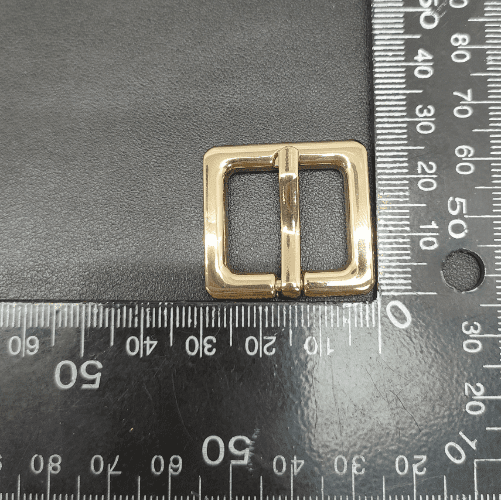
How To Resolve Zinc Alloy Electroplating Bubbling?
Zinc alloy die-cast components are currently widely used in various decorative applications, such as tie clips, belt buckles, and various metal decorative fasteners. Consequently, high standards are demanded for the surface quality of these castings, along with excellent surface treatment properties. The most common defect in zinc alloy die-castings is surface blistering. When raised blisters appear on the casting surface under the following conditions, they are termed blisters, representing the external manifestation of internal casting defects. (1) Discovered immediately after die casting.(2) Revealed after polishing or machining.(3) Appeared after painting or plating.(4) Discovered after being left for a period of time. Causes of Foaming Causes of Porosity Primarily due to gas porosity and shrinkage mechanisms. Gas porosity typically appears circular, while shrinkage porosity is often irregular in shape Causes of Porosity:During metal wave filling and solidification, gas intrusion leads to the formation of cavities on the surface or within the casting. b. Gas emitted from coatings infiltrates the molten metal. c. Excessive gas content in the molten alloy causes gas separation during solidification. When gases trapped in the mold cavity, gases emitted from coatings, and gases released during alloy solidification remain trapped in the casting due to inadequate mold venting, they ultimately form porosity. Causes of shrinkage cavities: During metal wave solidification, shrinkage cavities form due to volume reduction or failure of the metal wave to compensate for shrinkage in the last solidifying areas. In castings or forgings with uneven thickness, localized overheating causes slower solidification in certain areas, resulting in surface depressions during volume contraction. The presence of gas pores and shrinkage cavities allows water ingress during surface treatment of die-cast parts. When baked after painting or electroplating, gases within the pores expand slightly due to heat, or water inside the pores vaporizes, causing volume expansion. This leads to…