Why Bag Hardware Factory Has Minimum Order Quantity?
What is the minimum order quantity for bag hardware?
Bag hardware MOQ is a very important notion regarding bag supply chain management, which means the least production or purchase quantity that bag hardware manufacturers or suppliers require when they take your order. It guarantees the size of orders are large enough to cover upfront supplier base costs, and allows for economies of scale and efficiencies in production through bulk orders. In the hardware industry, which has a wide range of varieties and complex processes, from the point of view of suppliers to help suppliers achieve resource allocation optimization and reduce production costs. At quantities lower than this there’s a high proportion of orders refused by suppliers or meeting them comes at very high cost (such as ‘sample charges’ and small-batch ‘processing fees’). Why is the MOQ of hardware products?
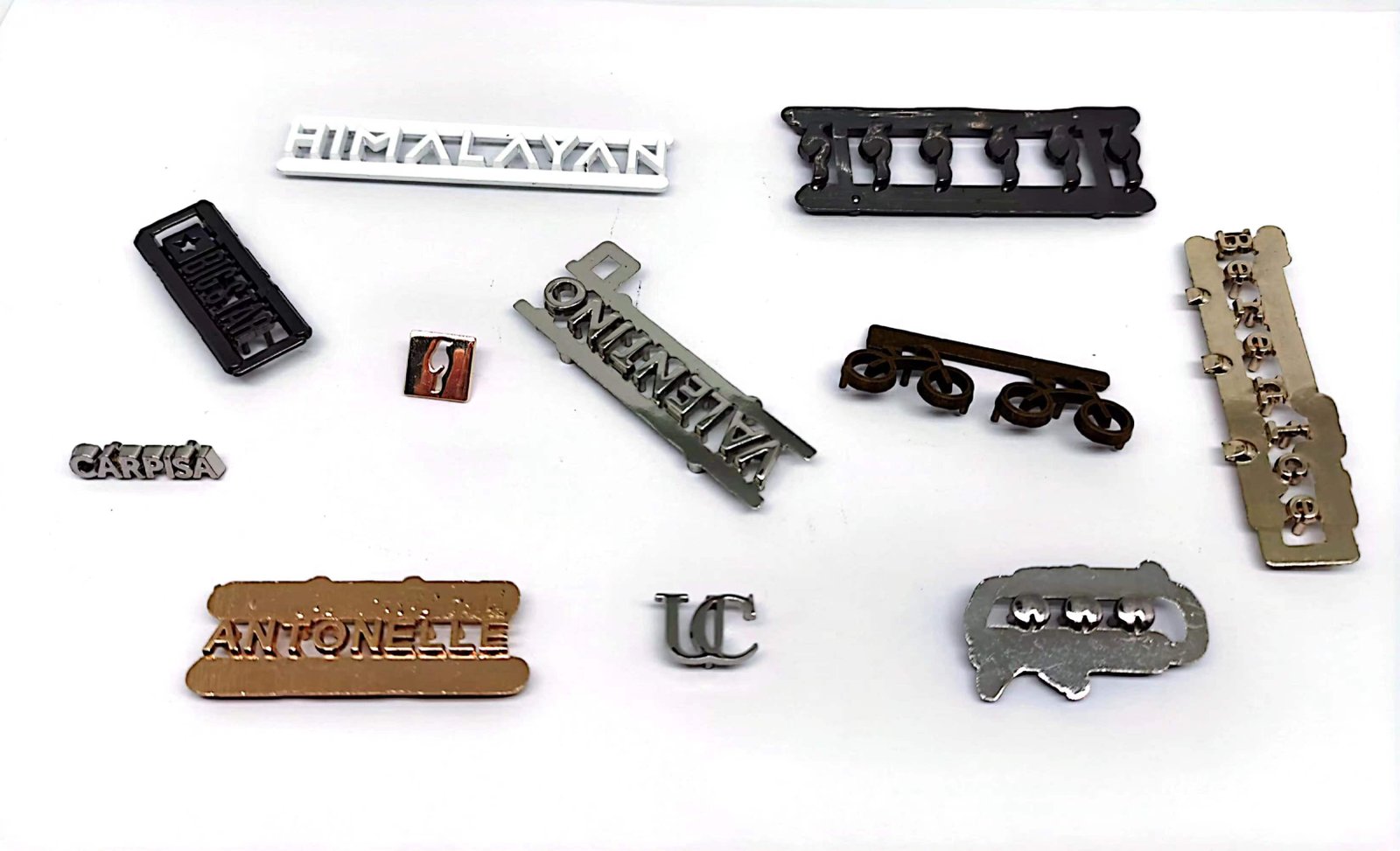
Why do hardware products have minimum order quantities?
The production and delivery of hardware products (such as screws, hinges, mold components, stamped parts, etc.) involve fixed costs. The establishment of MOQs fundamentally enables suppliers to avoid losses from small orders, primarily related to the following cost dimensions:
| Cost Type | Specific impact |
| Production Start-Up Costs | Metalworking often requires mold making (e.g., stamping dies, injection molds) and equipment setup (lathes, milling machines), resulting in high per-run startup costs. For small order volumes, the cost per unit becomes prohibitively high (e.g., a $5000 mold fee allocated across 10 units results in $500 per unit, whereas 1000 units reduce this to just $5 per unit). |
| Raw Material Costs | Raw materials for hardware (steel, aluminum, copper) are typically purchased in bulk by the ton or coil, making it impossible to split into extremely small quantities. For example, if a customer needs 10 copper screws, but the raw material must be purchased as a full coil, the remaining material becomes wasted inventory. |
| Labor and Management Costs | Labor costs for order processing (order acceptance, production scheduling, quality inspection, packaging) and production operations (workers debugging equipment, monitoring processes) are fixed. The “unit labor cost” for small orders is significantly higher than for large orders. |
| Logistics and Packaging Costs | The unit cost of logistics for small-batch shipments (such as express delivery and less-than-truckload transport) is higher, and the material and labor costs for individual packaging cannot be shared. |
What factors determine the minimum order quantity for bag hardware?
Setting a MOQ is not the supplier’s deliberate attempt to make things difficult for smaller customers, but rather stems from several core business and production cost considerations:
Production Cost Control
Setup Cost: Producing any product requires machine debugging, mold installation, and production line setup. These fixed costs will allocate across each unit If order volumes are too small, the cost per unit becomes prohibitively high, potentially resulting in losses. For example: Setup cost: ¥1,000 Producing 1,000 parts: Increases cost per part by ¥1 Producing only 100 parts: Increases cost per part by ¥10
Raw Material Cost
Many raw materials (such as steel and copper) also have minimum order quantities. Suppliers incur high unit costs when procuring small quantities of raw materials for small orders, which is not cost-effective.
Efficiency & Capacity Utilization
Frequent line changes for small orders waste significant time on mold changes and debugging, reducing overall production efficiency. Handling large orders maintains continuous line operation and improves capacity utilization.
Profit Consideration
Processing a $100 order versus a $10,000 order incurs similar management costs for customer service, order tracking, finance, and logistics. Small orders yield extremely low or even negative profit margins, whereas large orders generate substantial profits.
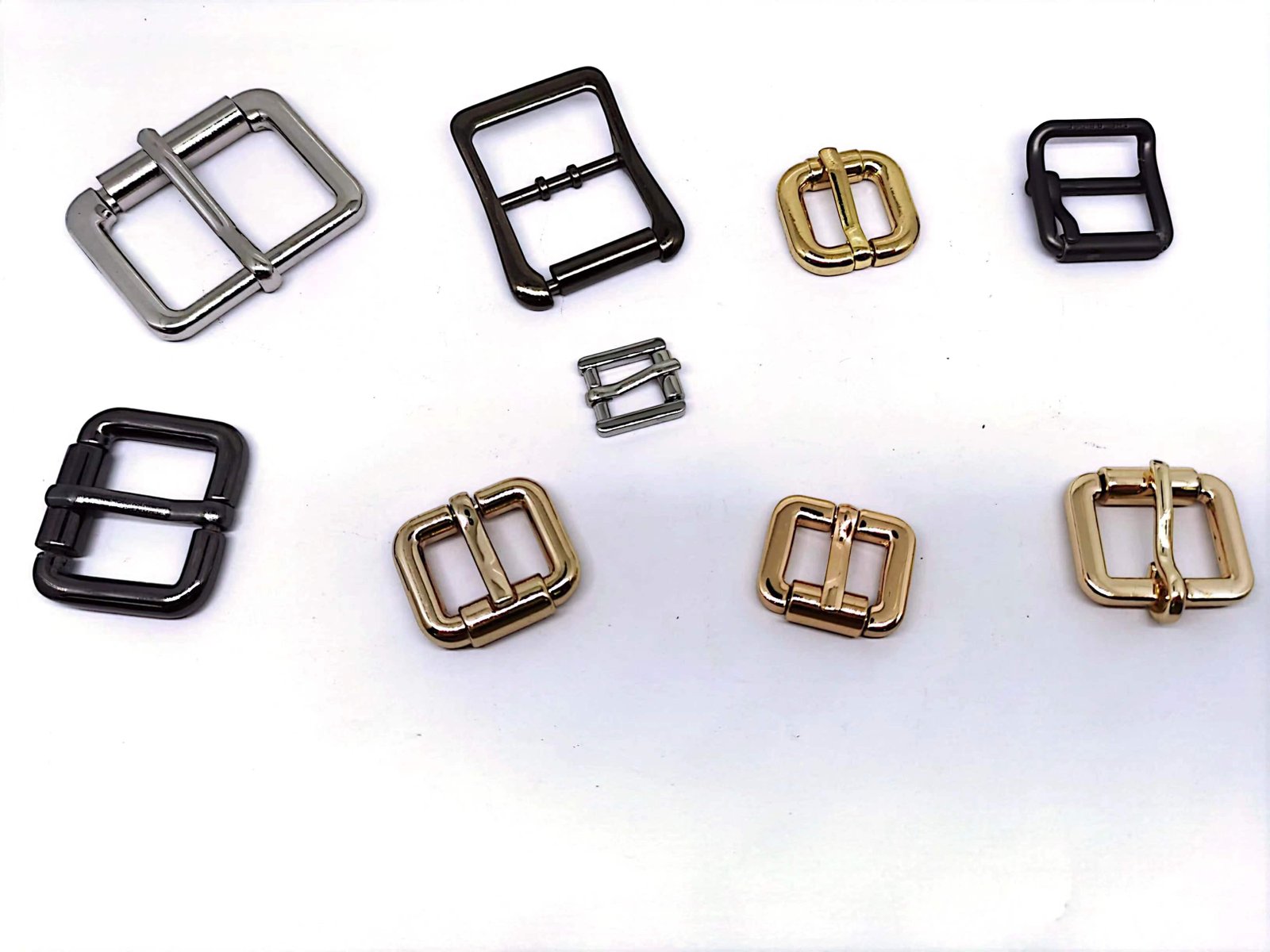
The most common minimum order quantity range for hardware factories
The minimum order quantity (MOQ) logic varies significantly across different types of hardware products, primarily categorized into the following three types:
Standardized General Parts: Low MOQ (even supports “single-unit sales”)
- Refers to widely circulated, non-customized standardized products such as common screws, nuts, wrenches, hinges, etc.Suppliers typically maintain large inventories with extremely low MOQs (e.g., screws MOQ=100 pieces, wrenches MOQ=10 pieces). Some retailers even support “single-unit purchases” (e.g., hardware store retail).
- Core reason: scale economies of production (tens of thousands on a single run) give you cost recovery, so profit is within reach even at a small order.
Customized Hardware Components: High MOQ (Typically Hundreds to Thousands of Pieces)
- Relates to products which needs dimension, material or production method be adjusted according to customer’s requirements,like special stamped parts, irregular-shape mold components and fasteners that with higher quality. MOQ is always high (e.g., Custom Stainless steel stamping MOQ 500pcs, Non-standard screws FLC=1000 pcs).
- Core reason: Requires dedicated mold development and production line adjustments, resulting in high fixed costs that must be spread across sufficient order volumes.
Large/Heavy Hardware Components: MOQ set by “set” or “batch”
- Refers to bulky, high-weight products such as metal shelving, machinery parts, and structural metal components.MOQ will calculate based on a “set” or “batch.”” (e.g., shelving MOQ=10 sets, large machinery parts MOQ=5 pieces).
- Core reasons: Long production cycles, significant factory space requirements, extremely low efficiency for small batches, and logistics costs (e.g., truckload shipping) necessitate bulk allocation.
How to Lower MOQ Requirements for Hardware
The core logic behind reducing hardware MOQ (minimum order quantity) is to help suppliers mitigate “small-order cost risks”—by sharing fixed costs, providing long-term partnership guarantees, or optimizing order structures, suppliers come to see “small-batch orders as profitable.” Below are six actionable strategies, prioritized by negotiation priority and implementation difficulty, covering scenarios from short-term to long-term partnerships:
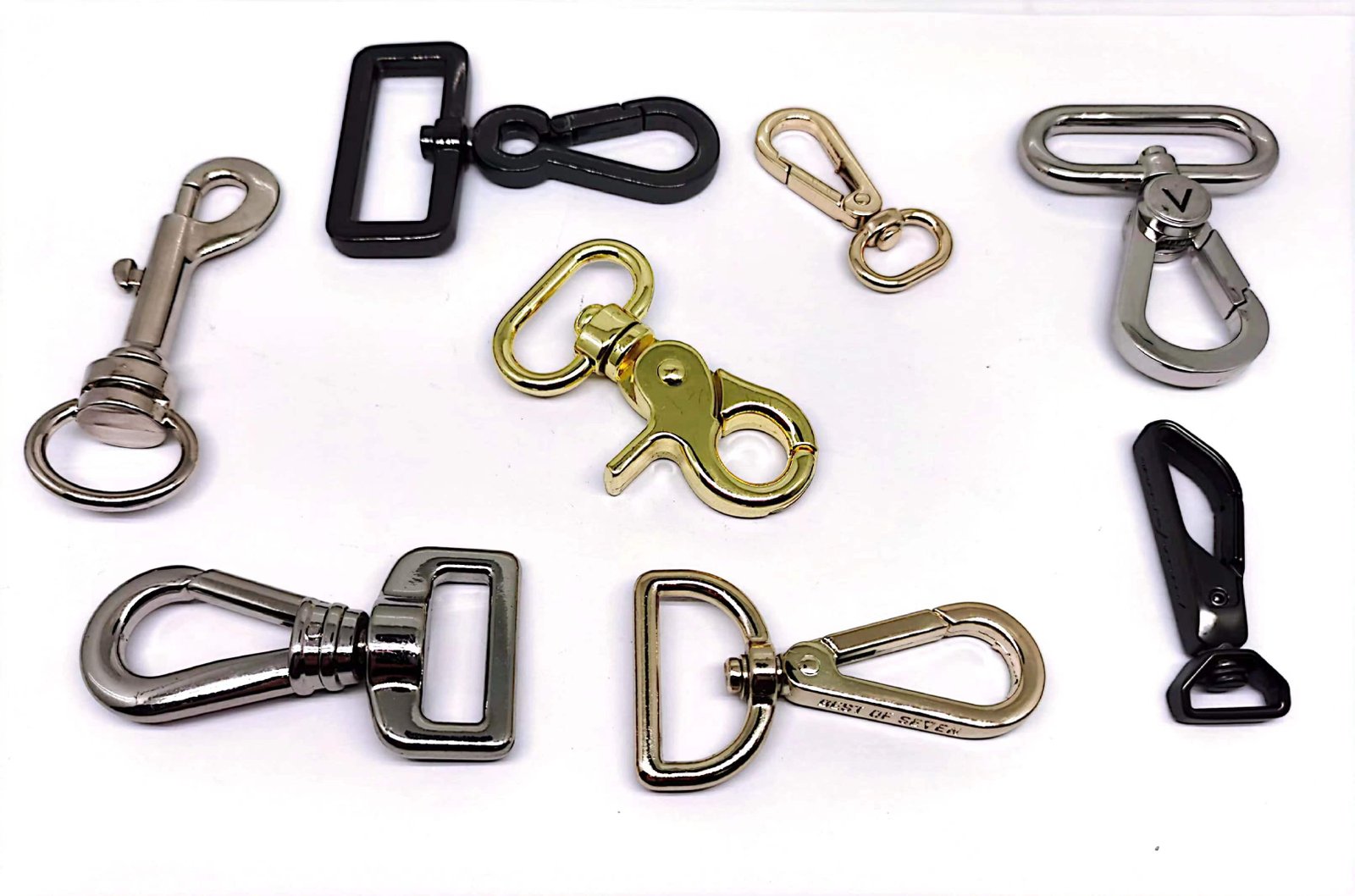
Directly Sharing “Fixed Costs”: Eliminating Supplier Loss Concerns
The core reason hardware suppliers reject small orders is the inability to spread fixed costs (such as tooling fees, equipment setup fees, and bulk raw material procurement costs). Proactively bearing a portion of these costs is the most direct way to lower the Minimum Order Quantity (MOQ).
Sharing Tooling/Debugging Costs
- When purchasing custom hardware components (e.g., non-standard screws, stamped parts), propose “covering 50%-100% of tooling costs.” Suppliers are typically willing to significantly reduce the MOQ.
- Example: For a custom stainless steel stamping part with an original MOQ of 1,000 pieces (mold cost: ¥5,000), if the customer covers ¥3,000 of the mold cost, the supplier may reduce the MOQ to 300 pieces (the remaining ¥2,000 cost can be covered by the profit margin on the 300 pieces).
Accepting “Raw Material Surplus”
- When raw materials require bulk procurement (e.g., full rolls of steel, whole copper rods), negotiate terms for “accepting products processed from remaining raw materials”
- For example, if a supplier needs to purchase 100kg of copper material (enough to make 1000 parts), the customer may agree to purchase 500 parts + “products made from the remaining 50kg of copper material (possibly standard parts)”. This allows the supplier to avoid bearing the cost of raw material waste, and the MOQ can reduce to 500 pieces.
Pay a small-batch premium
Clearly inform suppliers that you are “willing to pay an additional fee for small-batch orders” (typically 10%-30% above the base price) to compensate for their extra labor, management, and logistics costs. Suitable for scenarios requiring only 1-2 small-batch purchases (e.g., sample testing, urgent replenishment).
Securing a “Long-Term Partnership Commitment”: Trade Future Orders for Lower MOQs Now
Suppliers are more willing to lower MOQs for “long-term customers” because ongoing future orders can offset the costs of smaller current orders. The key is to convince suppliers that “you’re not just a one-time buyer.”
Sign a “Framework Cooperation Agreement”
- Commit to “accumulating a total purchase volume of XX units within the next 6-12 months,” requiring the supplier to reduce the MOQ to XX units immediately. The agreement may specify that “if the target is not met, the price difference must be made up,” thereby mitigating supplier risk.
- Example: A customer currently needs to purchase 200 custom nuts (original MOQ=500 pieces). By signing an agreement to “accumulate 1,000 pieces in purchases over the next 12 months,” the supplier may agree to ship 200 pieces immediately, with subsequent orders executed at the original price.
Batch-by-Batch “Top-Up Order” Commitment
If the initial purchase quantity falls below the MOQ, negotiate terms such as “First order of XX units (below MOQ), with XX units to be purchased within 1-2 months, totaling the MOQ across both orders.” Provide a clear timeline for the top-up order (e.g., “Top-up order within 30 days after initial delivery”) to enhance supplier confidence.
Prioritize securing “supplier resources”
Commit to “prioritizing this supplier for future hardware purchases of the same category,” and even stipulate in agreements that “annual procurement shall not fall below XX yuan.” To secure long-term customers, suppliers may proactively lower MOQs (particularly suitable for small and medium-sized suppliers).
Optimize “Order Structure”: Help Suppliers Reduce Operating Costs
Suppliers’ costs stem not only from production but also from order processing, production scheduling, logistics, and other stages. By optimizing order structure to reduce suppliers’ “hidden costs,” we can indirectly lower MOQ requirements.
- Group Ordering: Collaborate with other clients sharing similar needs (e.g., hardware distributors in the same region, SMEs in the same industry) to place a joint order with suppliers. Once the combined quantity meets the MOQ, each party receives their respective portion of the shipment.
- Standardization Replacing Customization:If customization is the primary reason for high MOQs (e.g., special dimensions, specialized processes), negotiate replacing them with “standard parts that closely match requirements”— For example, if a “non-standard M8×25mm screw” (MOQ=1000 pieces) is required, but a “standard M8×20mm screw” (MOQ=200 pieces) is acceptable, the MOQ can be directly reduced while eliminating tooling costs.
- Centralized Delivery vs. Batch Delivery: If suppliers worry that multiple shipments for small-batch orders will increase their logistics costs., they can commit to “receiving the entire order in one shipment” (even if production occurs in batches). This allows suppliers to consolidate logistics arrangements (e.g., shipping full containers) and reduce per-unit logistics costs, thereby enabling them to agree to lower minimum order quantities (MOQs).
Selecting the Right Supplier: Avoiding the “High MOQ Trap”
Different types of suppliers have vastly different MOQ strategies. Choosing suppliers better suited for “small-batch purchasing” can reduce MOQ requirements at the source, eliminating the need for excessive negotiation.
- Prioritize “Small-to-Medium-Sized Factories”: Large factories have high production capacity and fixed costs (equipment, labor), typically requiring high MOQs (prioritizing bulk orders). SMEs offer flexible production capacity and are more willing to accept smaller orders to avoid idle equipment (MOQs may be 50% lower than large factories).
Select “Suppliers with Stocked Inventory”: For standard hardware components (e.g., common screws, hinges, wrenches), prioritize suppliers with readily available stock (e.g., hardware wholesalers, self-operated stores on e-commerce platforms like 1688 or JD Industrial). These suppliers often have extremely low MQs (sometimes as low as “1 piece minimum”) because inventory has already amortized production fixed costs. - Select “Manufacturers Specializing in Small-Batch Customization”: Certain hardware manufacturers cater specifically to “small-batch customization” needs (e.g., precision hardware, 3D-printed metal parts). Their production models (such as flexible production lines) reduce fixed costs, with minimum order quantities (MOQ) typically ranging from just 50 to 200 pieces—significantly lower than traditional large-scale factories.
Utilizing “Sample Orders / Trial Production Orders”: Overcoming Initial Purchase MOQ Requirements
If the initial purchase is intended for “testing product quality” or “small-scale trial use,” leverage the supplier’s “sample policy” or “trial production policy” to procure goods in smaller quantities.
- Requesting a “Sample Order”: Most hardware suppliers offer “sample services.” Even if the standard MOQ is high, sample orders can place for “1-10 pieces” (subject to a sample fee, typically 2-5 times the original price).Note: Clearly specify whether the sample order guarantees “consistency with bulk order quality” to prevent situations where samples pass inspection but bulk products fail.
- Negotiate a “Trial Production Order”: For custom parts, propose “first producing a small trial batch (e.g., 100 pieces) to validate the process, followed immediately by a bulk order (e.g., 1,000 pieces) upon trial approval.” Suppliers often accept trial orders to secure future bulk business (may require a small mold deposit).
- Leverage “Remnant Stock / Inventory Clearance”: If production timing or batch consistency isn’t critical, inquire if the supplier has “remnant stock” or “inventory clearance items.” These pre-produced goods may sell below standard MOQs (e.g., original MOQ=500 units, clearance stock available from 100 units) as suppliers liquidate surplus inventory.
Building “Trust Relationships”: Flexibility in MOQs for Long-Term Partnerships
In long-term collaborations, a supplier’s “level of trust” in a customer is a key factor in lowering Minimum Order Quantities (MOQs). Through sustained positive interactions, suppliers can gradually grant lower MOQs.
- Pay on time to build credibility: By settling each order “on time or even early” and avoiding late payments, suppliers will classify you as a “preferred customer.” This makes them more willing to negotiate lower MOQs in future discussions.
- Collaborate with suppliers for production planning: If a supplier is unable to honor an order because it is too small for their capacity, negotiate “flexible delivery times” (for example, “Not in a hurry—we can wait until your next production gap”). This eases the negotiation of pricing where even lower MOQs are possible.
- Provide clear demand forecasts: Regularly share “3-6 month procurement projections” with suppliers (e.g., “Next month may require 300 units, the month after may need 500 units”). This enables suppliers to plan production and raw material procurement in advance, reducing uncertainty costs and increasing their willingness to lower MOQs.
Conclusion
Reducing hardware MOQs isn’t merely about “cutting prices”—it’s about achieving “win-win” outcomes with suppliers. This can be accomplished either by helping suppliers “cut costs” or by boosting their “confidence.” In practice, combine the above strategies based on your procurement volume, cooperation cycle, and product type to significantly increase negotiation success rates.

oyc
High Quality metal fitting, Dog Hook, Metal Ring,customer made Logo Plate