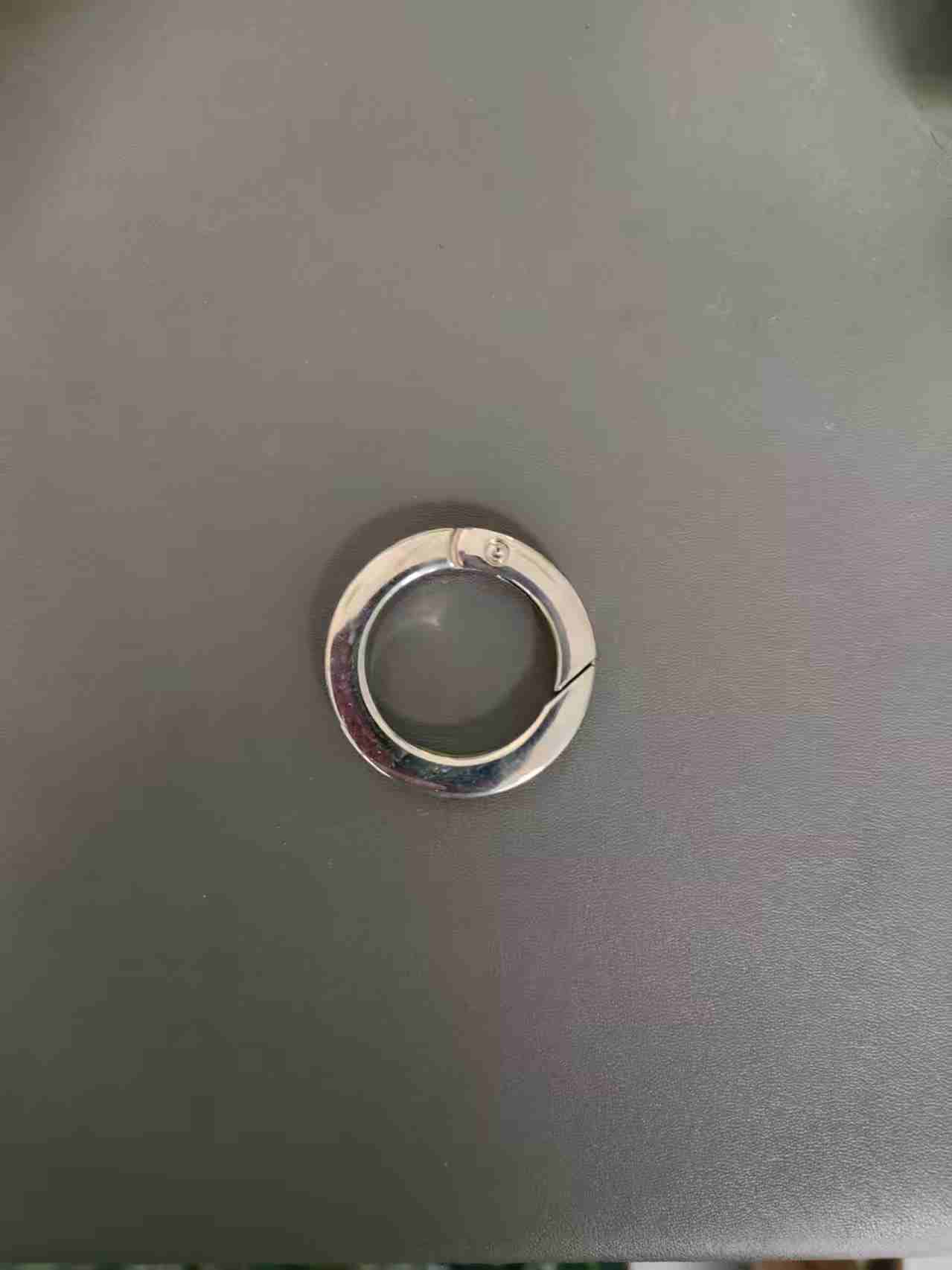
What Quality Question Can Be Identified By High Resolution Transimission Microscopy for spring ring?
High-resolution transmission microscopy allows experts to clearly observe the surface condition of spring rings. It reveals fine scratches, micro-cracks smaller than 1μm in width, plating pores under 50nm in diameter and flaking oxidation layers. These tiny defects are invisible to the naked eye but can lead to the material of spring ring failure. They also affect appearance and wear resistance of spring ring By detecting microscopic damage at an early stage, this technology provides early warning of potential quality issues. It helps manufacturers take action before problems escalate. Using high-resolution imaging, companies improve product reliability and reduce the risk of performance failures in precision components High-resolution transmission microscopy reveals hidden defects in spring ring materials. It helps move quality control from the macro level to the nano level. This technology supports the shift from “experience-driven” to “data-driven” manufacturing. It provides clear, scientific data for decision-making. For hardware companies, it is a key tool. It improves product value and lowers quality risks. In short, this microscope is essential for modernizing quality control and upgrading the industry.