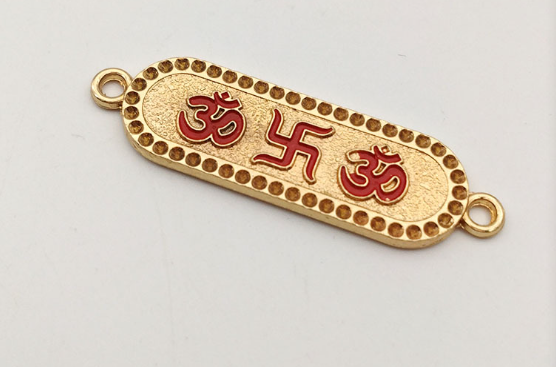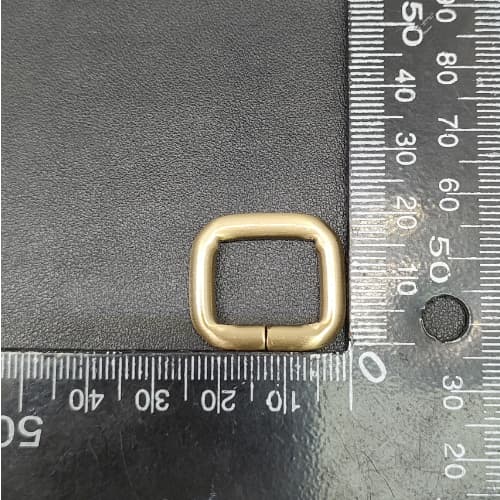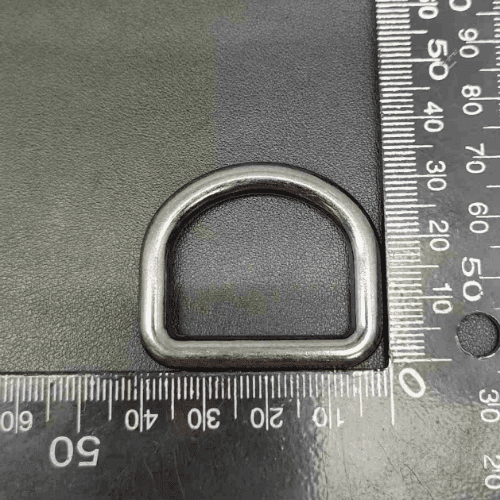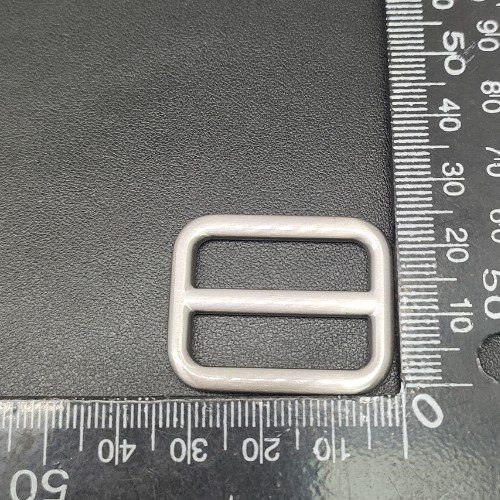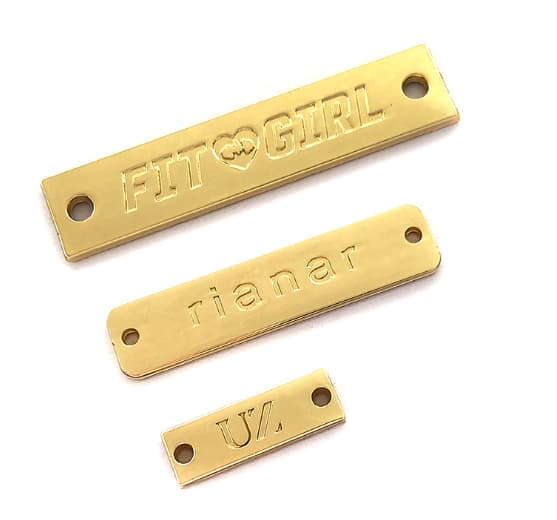
2 holes sewing design metal plate for quality check
Checking the quality of 2 holes sewing design metal plate requires a number of key aspects to ensure that they meet design specifications and usage requirements. The following are systematized inspection steps and key points. 2 holes sewing design metal plate for quality check. I. Appearance Quality Inspection Surface Defect Detection Scratches and Knocks: Use visual inspection or magnifying glass to observe whether there are obvious scratches, dents or knock marks on the surface. Corrosion and oxidation: check the surface of the metal plate whether there is corrosion, oxidation layer or coating peeling phenomenon, especially around the edges and holes. Flatness and deformation: Place the metal plate on a flat countertop and observe whether there is warping, wavy or local deformation. Hole Processing Quality Hole Wall Smoothness: Check whether the inner wall of the hole is smooth and free of burrs, cracks or processing marks. The edge quality of hole: the edge of the hole should be free of flying edge, curled edge or sharp edges, if necessary, you can use your fingers to feel lightly. Hole consistency: Compare the diameter, shape and position of two holes to ensure that there is no obvious difference. II. Dimension and Tolerance Check Overall Dimension Measurement Use vernier calipers, micrometers or Coordinate Measuring Machine (CMM) to measure the length, width and thickness of the metal plate to ensure compliance with the tolerance requirements of the design drawings. Hole Size and Positional Accuracy Hole Diameter Measurement Measure the diameter of a hole using a hole gauge or inside micrometer and compare it to the design value. Hole Distance Measurement Measure the center distance between two holes to ensure compliance with design tolerances. Hole position deviation Check the position deviation of the holes relative to the edge of the metal plate or the datum line…